
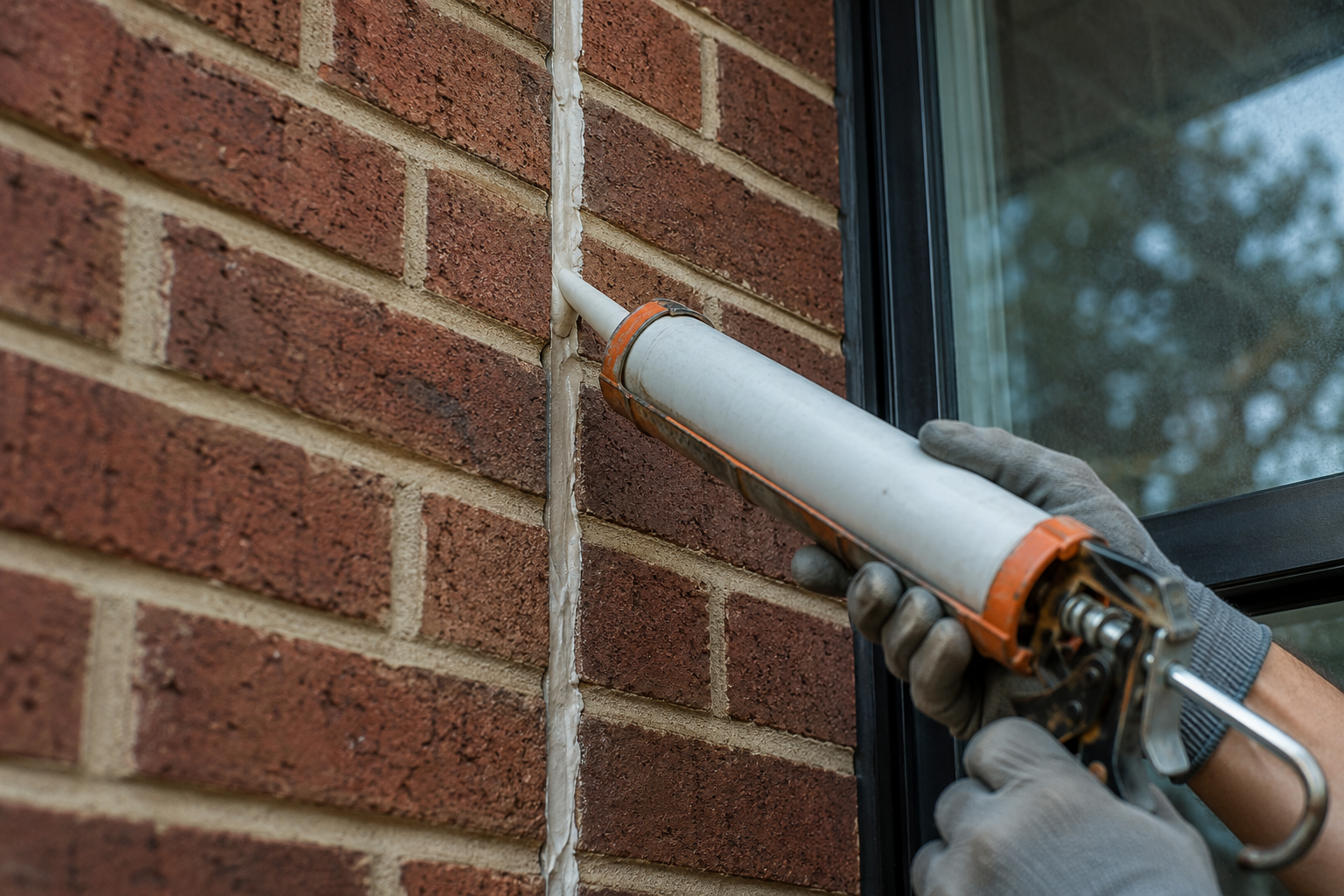
A small gap or crack in your brickwork might seem like a minor issue, something a quick trip to the hardware store can fix. However, the tube of sealant you choose holds more significance than you might think. Selecting the wrong material can lead to failed joints, water intrusion, and even damage to the brick itself. This guide will walk you through the essential factors for choosing the right sealant, ensuring your repair is not just a temporary patch, but a long-lasting solution that protects the integrity and value of your property.
Why Sealant Selection Matters in Masonry
Have you ever wondered why joints in brick walls sometimes crack and separate? The answer often lies in the materials. Bricks and mortar are not static; they are porous materials that expand in heat and contract in cold. A sealant’s primary job is to move with them, creating a flexible, watertight barrier.
When an incorrect sealant is used, one that is too rigid or not compatible with masonry, it cannot accommodate this natural movement. Instead of stretching, it tears away from the brick or cracks down the middle. This failure opens a direct path for water to penetrate the wall, leading to hidden moisture damage, mold growth, and deterioration of the underlying structure. The compatibility between the sealant and the brick directly affects the repair’s lifespan and effectiveness.
What Masonry Sealants Must Handle
A sealant applied to exterior brickwork has a demanding job. To perform effectively, especially in a climate like the Pacific Northwest, it must be engineered to withstand a constant barrage of environmental stressors.
Silicone Sealants
Silicone sealants are one of the most common and recognizable types of sealant available, known for their exceptional flexibility and water resistance.
Key Characteristics
Silicone is defined by its rubber-like elasticity, which allows it to accommodate significant joint movement. It forms a durable, waterproof seal that is highly resistant to UV radiation and extreme temperatures, giving it a very long lifespan in exposed conditions.
Best Use Cases
This type of sealant excels in applications where waterproofing and flexibility are the top priorities. It is an excellent choice for sealing around the perimeter of windows and doors, plumbing penetrations, and other non-porous materials set into a brick wall. Its performance in high-moisture areas makes it a go-to for exterior applications.
Limitations
The primary drawback of most silicone sealants is that they cannot be painted. Their slick surface repels paint, which can be an aesthetic issue if you need the joint to blend in with surrounding surfaces. Additionally, while silicone bonds well to non-porous materials like glass and metal, its adhesion to porous masonry can sometimes be less reliable without the use of a specific primer.
Urethane (Polyurethane) Sealants
When strength and paintability are required, urethane-based sealants are often the superior choice for masonry applications.
Key Characteristics
Urethane sealants are prized for their incredible bond strength and tenacious adhesion to porous substrates like brick and concrete. Unlike silicone, they cure to a paintable surface, allowing for a seamless color match with the surrounding masonry or trim. They create a tough, durable, and abrasion-resistant seal.
Best Use Cases
These characteristics make urethane the ideal material for high-stress applications. It is commonly specified for filling expansion and control joints in large brick walls, sealing structural connections, and filling any cracks or gaps in areas that require painting to match the building’s aesthetic.
Limitations
The trade-off for urethane’s strength is often in its long-term flexibility and UV resistance. Compared to high-quality silicone, its lifespan when exposed to direct sunlight can be shorter. Over many years, some urethane formulations can also harden slightly, reducing their ability to accommodate joint movement.
Hybrid Sealants (MS Polymer / Advanced Blends)
A newer class of sealants, known as hybrids or MS Polymers, combines the best features of both silicone and urethane into one advanced formula.
Key Characteristics
Hybrid sealants deliver the “best of both worlds”: the outstanding flexibility and UV stability of silicone, along with the strong adhesion and paintability of urethane. They maintain excellent elasticity over their entire lifespan, resisting shrinking or cracking while bonding aggressively to a wide range of materials.
Best Use Cases
Their balanced performance makes hybrids a versatile, high-performance solution for nearly any exterior masonry challenge. They are perfect for sealing transitions between different materials (like brick to metal panels), filling architectural joints where both movement and a paintable finish are required, and any application demanding maximum long-term durability.
Limitations
The primary limitation of hybrid sealants is their higher material cost compared to traditional silicones or urethanes. Furthermore, to achieve their maximum performance, proper surface preparation and application technique are critical, making professional installation highly recommended.
Comparing Sealant Performance
With several options available, how do you decide? Let’s compare them across the three most critical performance metrics.
Flexibility
Silicone is the undisputed winner for flexibility, able to withstand the most extreme joint movement without tearing. Hybrid sealants offer excellent, balanced flexibility that is more than sufficient for most building applications. Urethane is the stiffest of the three, but it is still flexible enough for most standard expansion joints, though it may stiffen with age.
Adhesion
Urethane provides the strongest, most tenacious bond, particularly to porous masonry surfaces. Hybrid sealants also offer powerful and consistent adhesion across many different substrates. Silicone’s adhesion is more surface-dependent and may require a primer to achieve a durable bond on some types of brick or mortar.
Longevity
In terms of raw weather and UV exposure, high-quality silicone generally has the longest lifespan. Hybrids are a very close second, offering excellent all-around durability and color stability. Urethane sealants have a moderate-to-long lifespan but are more susceptible to UV degradation over time if not painted.
Matching the Sealant to the Application
Why Using the Wrong Sealant Causes Failure
Choosing a sealant based on price or convenience is a recipe for failure. A sealant that is too rigid will inevitably crack and pull away from the joint’s edges as the building moves. A sealant that is not vapor-permeable can trap moisture inside the brick, leading to spalling damage during freeze-thaw cycles. These failures result in repeated leaks, compounding water damage, and a frustrating cycle of repairs that never seem to last. Investing in the correct material from the start saves money and protects the structure in the long run.
Conclusion
Ultimately, there is no single “best” sealant for every situation. The right choice depends entirely on the application: the materials being joined, the amount of expected movement, and the aesthetic requirements. Selecting the correct material is a critical decision that determines the durability and water-tightness of your brickwork. By understanding the differences between silicone, urethane, and hybrid sealants, you can make an informed brick caulking choice that protects your entire structure for years to come.
Brick Caulking FAQs
Can the wrong caulk actually damage brick or mortar?
Yes. Rigid or non-breathable sealants trap moisture inside masonry. During freeze-thaw cycles, the trapped water expands and causes spalling, cracking, and accelerated deterioration of the brick itself.
Why does the new sealant peel off the brick after only one winter?
Brick is porous and often dusty or damp. Without proper joint cleaning, depth control, and primer when needed, sealant cannot bond correctly and separates once temperatures fluctuate.
Is sealing brick joints a DIY project or should it be professional?
Small accessible gaps can sometimes be sealed by commercial building owners, but most exterior joints require proper joint sizing, backer rod installation, and material matching. Incorrect installation usually fails quickly and allows hidden water intrusion.
Do all cracks in brick need sealant, or should some be mortared instead?
Movement joints and transitions require flexible sealant, while true masonry joints require mortar repair. Using sealant where mortar belongs (or vice versa) leads to recurring cracking and leaks.
How much damage can a small failed sealant joint actually cause?
Even a hairline opening can allow wind-driven rain behind the wall. Over time, this can rot framing, ruin insulation, and create mold. Repairs often cost far more than resealing the joint early.
Find the Best Sealant for Long-Lasting Protection
Understanding the science behind sealants is the first step. Ensuring they are applied correctly with meticulous surface preparation is what guarantees a long-lasting, protective seal. If you are facing failing joints on your commercial property or want to ensure your building is protected with the right engineered solutions, professional expertise is invaluable.