
rife masonry
Tuckpointing Seattle
What is Tuckpointing?
Tuckpointing is the replacement of deteriorated mortar in the joints of a brick wall. The failed material is ground out, the joint is cleaned, and new mortar is packed in and tooled to match the facade. The brick itself is not disturbed, making it the most economical form of brick mortar repair on a commercial facade.
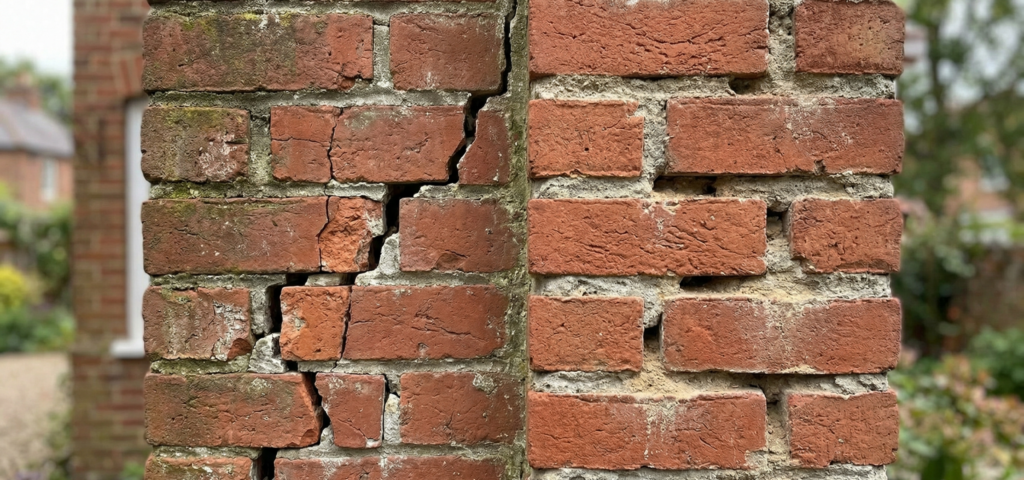
Mortar is meant to be the weaker, softer material in a masonry wall. It flexes with movement and wears away so the brick does not. That design works for decades, but eventually the joints recede, crack, or go sandy, and each storm pushes more water into the wall behind them.
On a commercial property, that water shows up as stained interior finishes, efflorescence on the facade, and loose brick at parapets and corners. Renewing the joints on schedule is one of the lowest-cost ways to protect a brick building, because it deals with the problem while mortar is still the only thing that needs replacing.
Tuckpointing vs. Repointing: What Your Building Actually Needs
Both involve removing old mortar and installing new, and in everyday use the words overlap. The practical difference between tuckpointing and repointing comes down to the condition of the wall and how deep the work goes.
- Tuckpointing suits walls that are basically sound but have stained, worn, or uneven joints. A shallower layer comes out, the joint is refilled with mortar colored to the brick, and a thin contrasting line is set into it so the facade looks crisp from the street.
- Repointing is repair for joints that have cracked, washed out, or gone missing. Damaged mortar is cut back at least half an inch, and the joint is rebuilt so it can hold the brick and shed water again.
On older Seattle brick, most commercial tuckpointing projects are a mix of the two, with deeper repointing at wet corners and parapets and lighter joint work on protected elevations. We write the scope wall by wall, based on how far each joint has failed, instead of pricing the whole building at a single depth.
Benefits of Brick Tuckpointing
There are several reasons to consider tuckpointing for a commercial brick building:
Improved Appearance
Tuckpointing produces clean, consistent joints that make a facade look years younger, and that matters to tenants, prospective businesses, and anyone evaluating the property for purchase or financing.
Increased Lifespan
Tuckpointing preserves the integrity of masonry, extending the life of the building. Replacing receding mortar keeps brick edges out of rain and freeze cycles, reducing the need for harder-to-source original brick in the future.
Increases Property Value
Worn mortar joints stand out on a facade and pull down a building’s appearance and value. Renewing them on a planned cycle keeps joint work a capital line item, instead of an emergency after a leak or a fallen brick, with scaffolding costs and tenant complaints attached.
Prevents Deterioration
Tuckpointing stops mortar joints from deteriorating further. Open joints let water into the wall, so sound joints protect the brick from cracking and keep water away from the backup wall and the tenant spaces behind it.
When Tuckpointing Is Not the Right Fix
New mortar solves a mortar problem. Part of our job during an assessment is telling you when the problem is something else.
Each of these findings goes into our assessment, so your repair budget targets the real cause of the damage.
- The deterioration is past the joint. If mortar has washed out deep into the wall across a large area, or the wall has started to bulge, packing new mortar into the face will not restore it. That wall needs deeper repair and sometimes partial rebuilding.
- The brick has failed. Spalled faces, cracked units, and loose brick stay failed no matter how good the new joints are. Those units must be cut out and replaced. A wall that has moved may need a larger scope of building restoration services.
- The leak starts higher up. A leak at the top floor is often blamed on the brick when the real source is a cracked coping, an open parapet cap, a failed window head, or a gap where the roof meets the wall. That is a building envelope repair problem, and it has to be fixed at the source first.
- The wall is sound but absorbing too much rain. Once the joints are repaired, some elevations benefit from masonry waterproofing with a breathable water repellent. We recommend it only on elevations that need it, because a repellent does not fix open joints.
Commercial Tuck Pointing Contractors in Seattle
Commercial tuck pointing in Seattle is difficult to get right. The difference between a facade that holds for years and one that starts cracking in its first winter usually comes down to mortar selection, joint preparation, and curing, all of which depend on the crew.
Our union-trained masons cut and point your joints themselves, and their formal trade training keeps the work consistent from one wall to the next. That consistency lets one crew work across several buildings in a portfolio without you standing over the job, and it is why Seattle property manager Phil Nyberg says Rife Masonry “has completed flawless work on at least 20 of my buildings.”
We work on commercial buildings only, including pre-1980 and historic brick. To discuss a specific building, call us at (206) 696-6998.
Tuckpointing Process
The three basic tuckpointing steps have not changed in a century: remove, clean, refill. What separates a lasting job on an occupied commercial building is everything around those steps.
1. Assess and Document
Before any cutting starts, we walk each elevation and record joint condition, brick damage, and signs of water coming from elsewhere. You get photos and a prioritized scope, so you can see which walls need work this season and which can wait.
2. Cut Out Failed Mortar
Old mortar is removed with grinders and hand tools until the joint reaches sound material. Joints that only need refreshing get a shallow cut, while failed joints are cut back to at least half an inch so the new mortar has enough depth to bond. On historic brick with narrow joints or soft faces, more removal is done by hand, because a chipped original edge cannot be replaced with a matching unit.
3. Match the Mortar
Brick laid before the mid-twentieth century was usually set in soft, lime-rich mortar. A modern portland cement mix is harder and less permeable than that brick, so water and stress move into the brick instead of the joint, and the faces start to spall.
We identify the existing mortar and specify a mix that matches its strength, color, texture, and profile. If cracked or spalled units turn up while joints are open, our brick laying and repair team can swap them out before the scaffold comes down.
4. Pack, Tool, and Cure
New mortar is packed into the joint in layers, and each layer is allowed to firm up before the next one goes in. Joints are tooled to match the existing profile. The wall is then kept damp and protected from direct sun, wind, and rain while the mortar cures, since a joint that dries too fast or gets soaked too early will not reach its intended strength.
5. Access, Staging, and Tenants
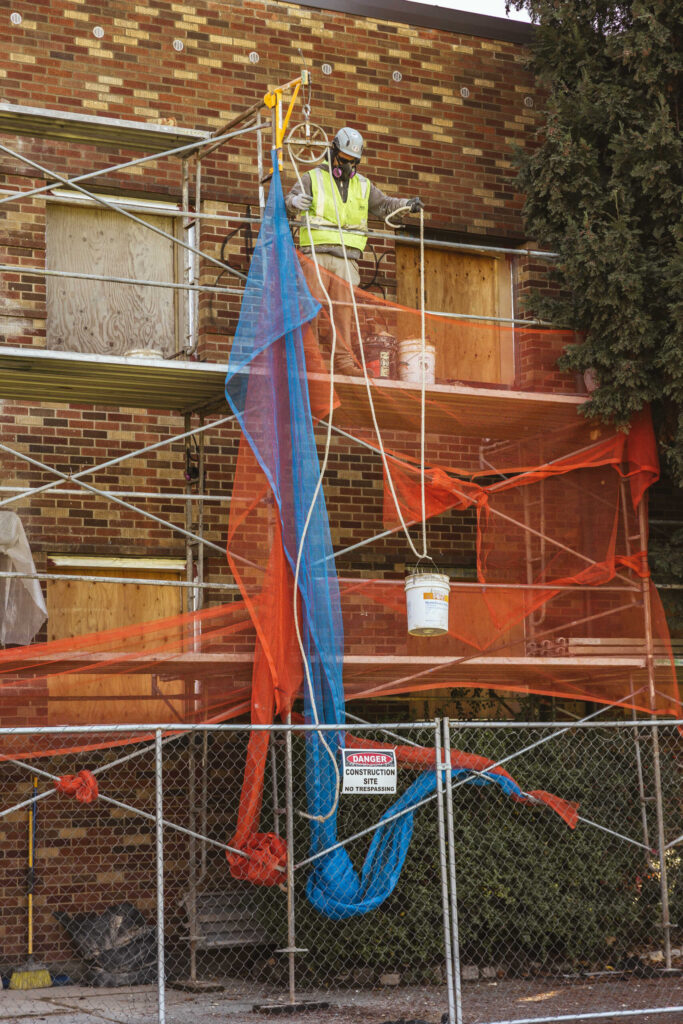
On an occupied commercial building, we plan lift and scaffold locations, protect entrances and walkways, and sequence elevations so storefronts and lobbies stay open. Noisy cutting is scheduled with building management, and we give staff a timeline they can pass along to tenants.
The Right Season for Tuckpointing in Puget Sound
Mortar cures through a chemical reaction that needs moisture and moderate temperatures. Too wet, and rain washes out the fresh joint. Too cold, and curing stalls or freezes. Too hot and dry, and the surface skins over before the joint has set.
In the Puget Sound, that puts the best working window between late spring and early fall, when the masonry has a chance to dry out and nights stay above freezing. Work can happen outside that window with tenting and protection, but it costs more and leaves less margin.
Joints that are already open going into October take on water all winter, and each freeze pushes them further apart. For property managers, the practical sequence is to assess over the winter, budget in early spring, and have crews on the wall as soon as the weather settles.
Our Tuckpointing Work in Seattle
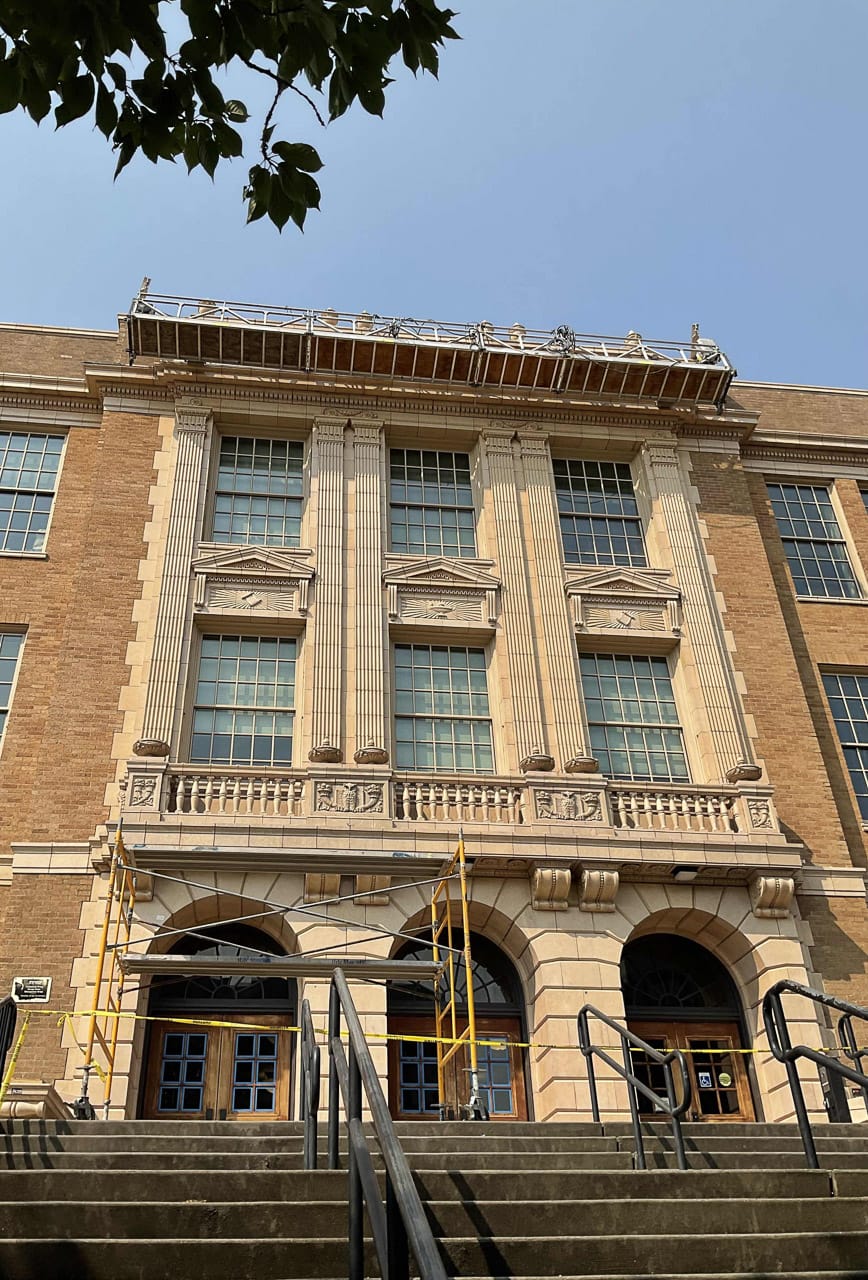
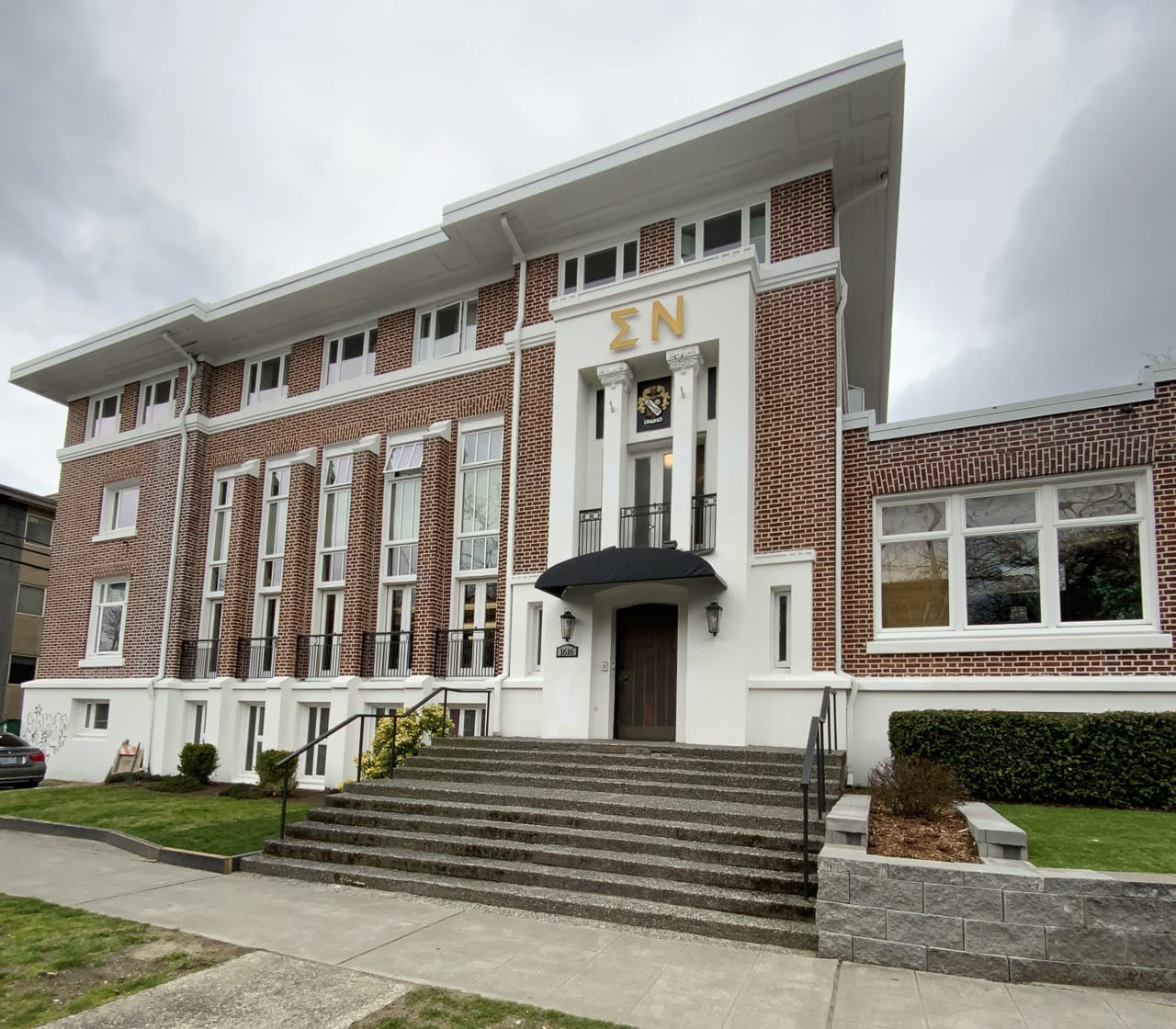
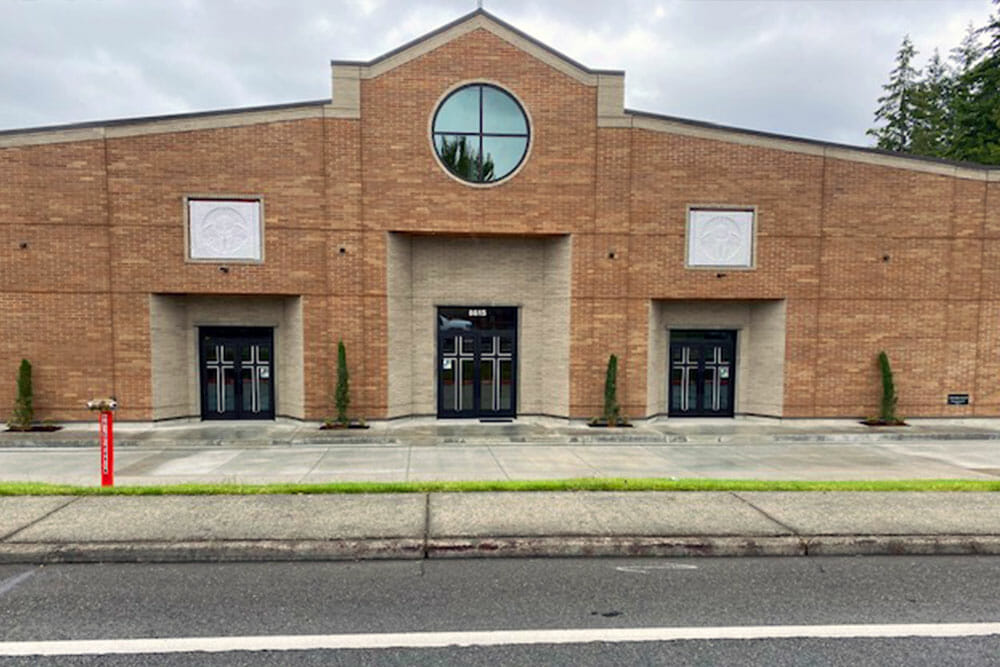
A selection of Seattle brick buildings where we have renewed mortar joints. Select a project for photos.
Quality Brick Construction Seattle
Why Choose Us For Tuckpointing in Seattle
Proven Track Record
With over a decade of experience, our union-trained masons have tuckpointed commercial and institutional brick across Seattle, including Roosevelt High School and St. Mary Magdalene, where new joints have to match the original brick around them.
Tenant-Friendly Process
We cut out only the mortar that has failed, replace damaged brick while the scaffold is up, and plan access and elevation order around tenants, so the building stays open while the work moves through it.
Dependable Scheduling
We set the schedule with building management before the crew mobilizes and keep to it. Our inspection reports rank each wall by urgency with photos and cost estimates, so owners and boards can budget from them.
Premium Matched Mortar
We specify mortar to match each wall: lime-rich mixes for historic brick, portland-based mixes where the original wall calls for them, tinted and tooled to the existing joints. Matching hardness matters, because mortar harder than the brick pushes stress into the brick face.
Tuckpointing Across Greater Seattle


Tuckpointing FAQ
What time of year is best to do tuckpointing?
In the Puget Sound, late spring through early fall is the most reliable window. Fresh mortar needs dry masonry, temperatures above freezing, and protection from heavy rain while it cures. Work outside that window is possible with tenting and cold-weather protection, but it adds cost.
How do you know if you need tuckpointing?
Common signs include mortar that sits recessed behind the brick face, joints that crumble or powder when scraped, visible gaps or cracks along joint lines, and white salt staining on the facade. Interior water stains near exterior walls after heavy rain are another indicator.
How much does tuckpointing cost?
Tuckpointing cost depends on the area of wall involved, how deep the joints have failed, how many elevations need work, what access equipment is required, and whether the mortar has to match a historic mix. Pricing comes after we have seen the wall in person, and a site visit can be booked at (206) 696-6998.
How long does tuck pointing last?
Tuck pointing done with a matched mortar and a proper cure lasts for decades, and exactly how long varies wall by wall. The mortar mix, how well it cured, the condition of the surrounding brick, and how much weather each elevation takes all set the lifespan. A sheltered wall will hold its joints longer than a parapet facing the prevailing rain. We note exposure in our reports so you can plan future inspections wall by wall.
What is Tuckpointing vs Repointing?
Repointing repairs damaged joints by cutting mortar back at least half an inch and rebuilding them. Tuckpointing refreshes joints on walls in generally good condition and adds a fine contrasting line for a uniform finish. Most commercial facades need both tuckpointing and repointing, set wall by wall by how far the joints have failed.
Schedule Your Tuckpointing Assessment Today
Restore the strength and appearance of your brickwork with commercial tuckpointing from Rife Masonry. Our union-trained team replaces deteriorating mortar to keep the wall sound and watertight, and our assessment shows what needs attention before the next rain season and what can go into a later budget. Call (206) 696-6998 or request a free quote.