Is your building facing unexpectedly high energy bills? Do occupants complain about persistent drafts or rooms that are impossible to keep at a comfortable temperature? These issues often point not to your HVAC system but to the building’s exterior itself. A brick facade may look solid, but even minor flaws in the building envelope, the protective barrier formed by your walls, roof, and foundation, can lead to significant energy loss and a decline in indoor comfort. This article explores how professional brick envelope repairs restore your building’s performance, reduce operating costs, and create a healthier, more comfortable indoor environment.
Why the Building Envelope Affects Comfort and Energy Costs
Think of your building’s exterior walls as a shield. Their primary job is to regulate the movement of heat, air, and moisture between the indoors and the outdoors. When this shield is compromised, your building has to work much harder to maintain a stable interior climate.
Even small gaps, such as cracked mortar joints or failing sealants, can create major efficiency losses. These openings allow conditioned air to escape and unconditioned air to enter, creating a constant drain on your heating and cooling systems. Furthermore, when moisture penetrates the envelope, it can saturate insulation and other wall components. This moisture intrusion dramatically reduces insulation performance, forcing your HVAC equipment to run longer and more frequently to compensate.
How Damaged Masonry Causes Energy Loss
Damage to a brick or masonry facade is more than just a cosmetic problem; it directly impacts your building’s energy consumption. Understanding the specific ways this happens reveals why timely repairs are so crucial.

Air Leakage Through Joints
Have you ever felt a draft near a window or an exterior wall, even when everything is closed? This is often caused by air leakage through compromised mortar joints. Over time, mortar can crack, crumble, and separate from the brick due to weather exposure and natural settling. These gaps act like hundreds of tiny, open windows, allowing cold winter air in and expensive air conditioning out. The result is noticeable temperature fluctuations indoors and a constant battle to keep spaces comfortable.

Insulation Performance Reduction
Most insulation materials rely on trapped air pockets to resist heat transfer, and they only work effectively when they are dry. When water seeps through damaged masonry, it soaks the insulation within the wall cavity. Wet insulation loses its thermal resistance, becoming nearly useless. Your HVAC system must then work significantly harder to make up for this performance loss, leading to a sharp increase in energy use.

Thermal Bridging
Gaps in your building's exterior can also create a phenomenon known as thermal bridging. This occurs when a pathway is created for exterior temperatures to be transferred directly to interior surfaces. For example, a void in the mortar can allow the cold from an exterior brick to travel directly to the interior drywall. This process makes interior wall surfaces feel unpleasantly cold in the winter or hot in the summer, creating uncomfortable zones within a room.
Moisture Control and Indoor Air Quality
Beyond energy waste, a failing building envelope poses a significant threat to indoor air quality and the structural health of your property. Uncontrolled moisture is one of the most destructive forces a building can face.

Water Intrusion Effects
When water finds its way into wall cavities, it often stays there, creating a damp, stagnant environment. This leads to persistent humidity issues inside the building, making the air feel stuffy and uncomfortable. Over time, this trapped moisture can cause building materials like wood framing, drywall, and fasteners to rot and corrode.

Mold and Mildew Risk
The single most important ingredient for mold and mildew growth is moisture. When water becomes trapped inside walls, it creates the perfect breeding ground for these harmful fungi. Mold growth not only produces musty, unpleasant odors but also releases spores into the air that can trigger allergies, asthma, and other serious health problems for occupants.

Condensation Problems
A poorly insulated or leaky wall is often a cold surface. When warm, humid indoor air comes into contact with these cold surfaces, especially during winter, it causes condensation. You might see this as water droplets on windows or damp spots on walls and ceilings. This constant moisture can lead to peeling paint, water stains, and further encourages the growth of mold.
Comfort Improvements After Repair
Investing in professional brick envelope repairs delivers immediate and noticeable improvements to the daily experience inside your building. By sealing air leaks and stopping water intrusion, you can achieve:
Consistent Indoor Temperatures
With drafts eliminated and insulation performing correctly, rooms maintain a stable temperature without hot or cold spots.
Reduced Drafts
Occupants will no longer feel chilly air currents near walls, windows, and electrical outlets, increasing overall comfort.
Less Humidity Fluctuation
A sealed envelope helps regulate indoor humidity levels, preventing the sticky, damp feeling associated with water intrusion.
Improved Sound Insulation
Sealing gaps and cracks in the masonry also helps to block exterior noise, creating a quieter and more peaceful indoor environment.
Operational Cost Savings
Reduced Heating and Cooling Demand
When your building envelope is properly sealed, your HVAC system no longer has to fight against constant air leaks and poor insulation. The equipment cycles less frequently and runs for shorter periods, leading to a direct and measurable reduction in your monthly energy bills.
Extended System Lifespan
An HVAC system that is constantly overworked is a system that will fail prematurely. By reducing the strain on your heating and cooling equipment, envelope repairs can extend its operational lifespan. This means fewer costly emergency repairs and delayed capital expenses for system replacement.
Prevented Interior Repairs
Addressing envelope issues proactively helps you avoid a cascade of expensive secondary problems. By stopping water before it gets in, you prevent the need for costly mold remediation, drywall replacement, repainting, and repairs to rotted structural components.
Types of Repairs That Improve Efficiency
A professional assessment can determine the exact repairs your building needs. Common solutions that restore energy efficiency include:
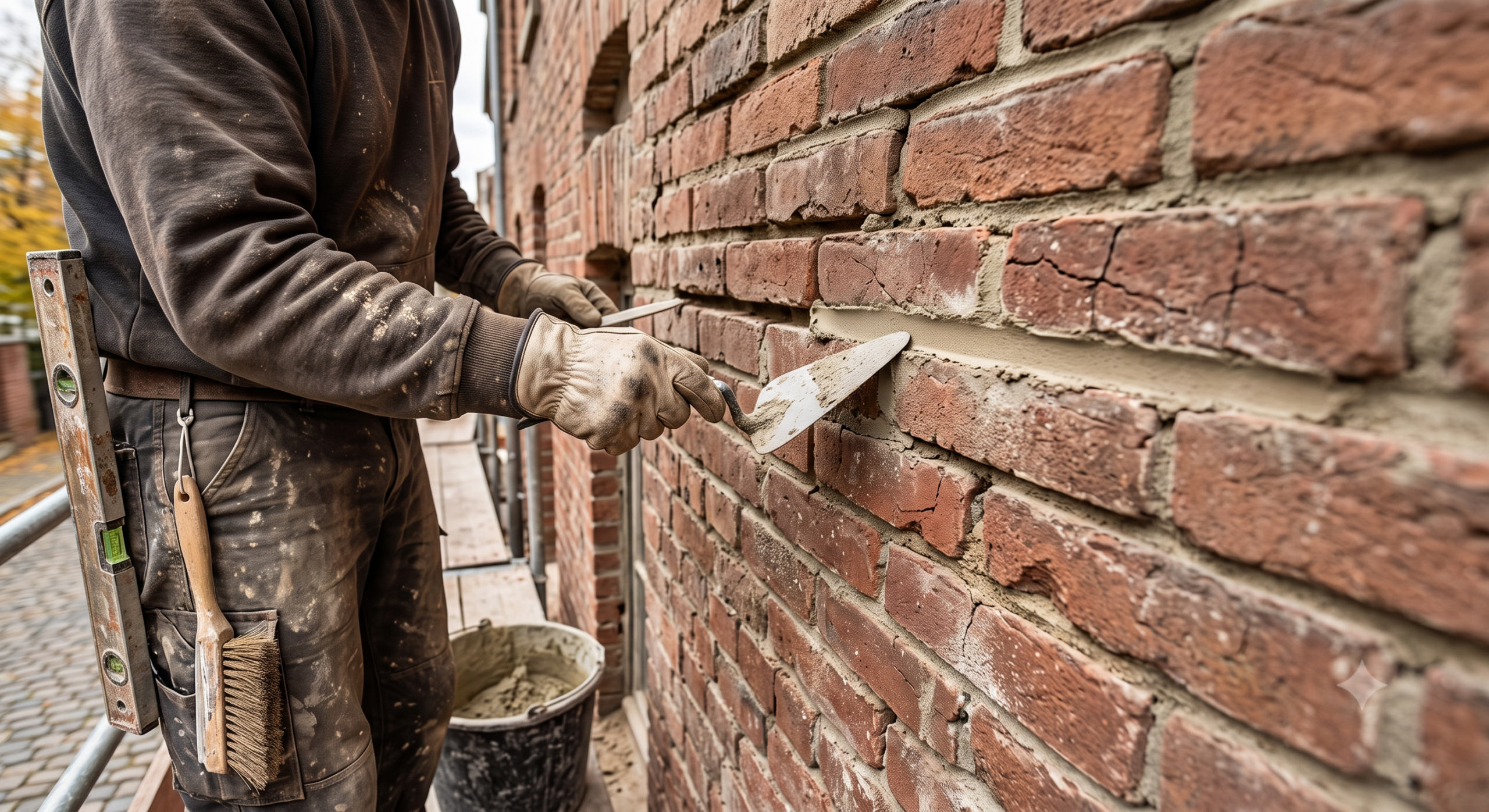
Repointing Mortar Joints
Removing old, failing mortar and replacing it with new, properly formulated mortar to create a durable, watertight seal.
Brick Replacement
Carefully removing and replacing individual bricks that are cracked, spalled, or otherwise compromised.
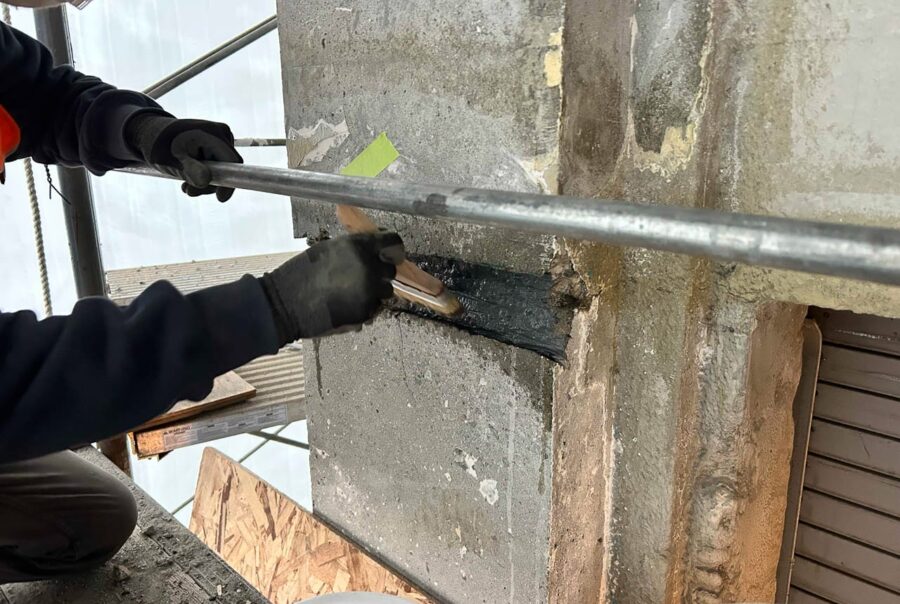
Sealant Replacement
Removing and replacing worn-out caulk and sealants around windows, doors, and expansion joints.
Flashing Correction
Flashing Correction: Repairing or installing new flashing—thin pieces of impervious material—to direct water away from vulnerable areas like windowsills and roof-to-wall intersections.
When Property Owners Should Consider Repairs
You should consider a professional building envelope inspection if you notice any of the following warning signs:
- Noticeably rising energy bills without a clear cause.
- Complaints from tenants or occupants about drafts or cold rooms.
- A persistent feeling of dampness or high humidity indoors.
- Visible water stains on interior walls or ceilings, or recurring leaks.
- Visible cracks, gaps, or crumbling in the exterior mortar or brickwork.
Conclusion
Your building’s brick envelope is the first line of defense against the elements, playing a critical role in both energy efficiency and indoor comfort. When integrity is compromised through air leaks and moisture intrusion, operating costs rise while the quality of the indoor environment declines. Timely, professional repairs are not just a fix; they are a strategic investment. Proper maintenance restores comfort, lowers energy consumption, and protects the long-term health and value of your property.
Building Envelope FAQs
Can damaged brick really increase energy bills?
Yes. Cracked mortar joints and failed sealants allow conditioned air to escape and outside air to enter, forcing HVAC systems to run longer and significantly increasing heating and cooling costs.
Why do some units stay cold even when the heat is working?
Air leakage and wet insulation inside exterior walls create temperature loss zones. The HVAC works, but the building envelope cannot retain the conditioned air.
Will sealing brick walls actually improve indoor comfort?
Proper masonry and sealant repairs eliminate drafts, stabilize indoor temperatures, reduce humidity swings, and remove hot and cold spots near exterior walls.
How does water inside walls affect insulation performance?
Wet insulation loses most of its thermal resistance. Even minor moisture intrusion can dramatically reduce efficiency and increase HVAC demand.
When should envelope repairs be considered instead of replacing HVAC equipment?
If energy costs rise, drafts exist near exterior walls, or multiple comfort complaints occur, the building envelope should be inspected before upgrading mechanical systems. The problem is often air leakage, not equipment failure.
See How Brick Repairs Improve Energy Efficiency
The integrity of your building’s envelope is fundamental to its performance, efficiency, and longevity. If you suspect your property is losing energy or suffering from moisture issues, addressing the root cause is the most effective solution. A professional evaluation can identify specific weaknesses in your brick facade and recommend targeted repairs to restore its protective function.