
As a property owner, you understand that your building is a significant investment. But what is protecting that investment from the outside world? The answer is the building envelope. This critical system acts as the barrier between the conditioned interior and the exterior environment. A small failure in this system can lead to significant, costly damage over time. This guide explains what a building envelope assessment is and why it’s one of the most important preventative measures you can take to protect your property’s value and integrity.
Why the Building Envelope Matters
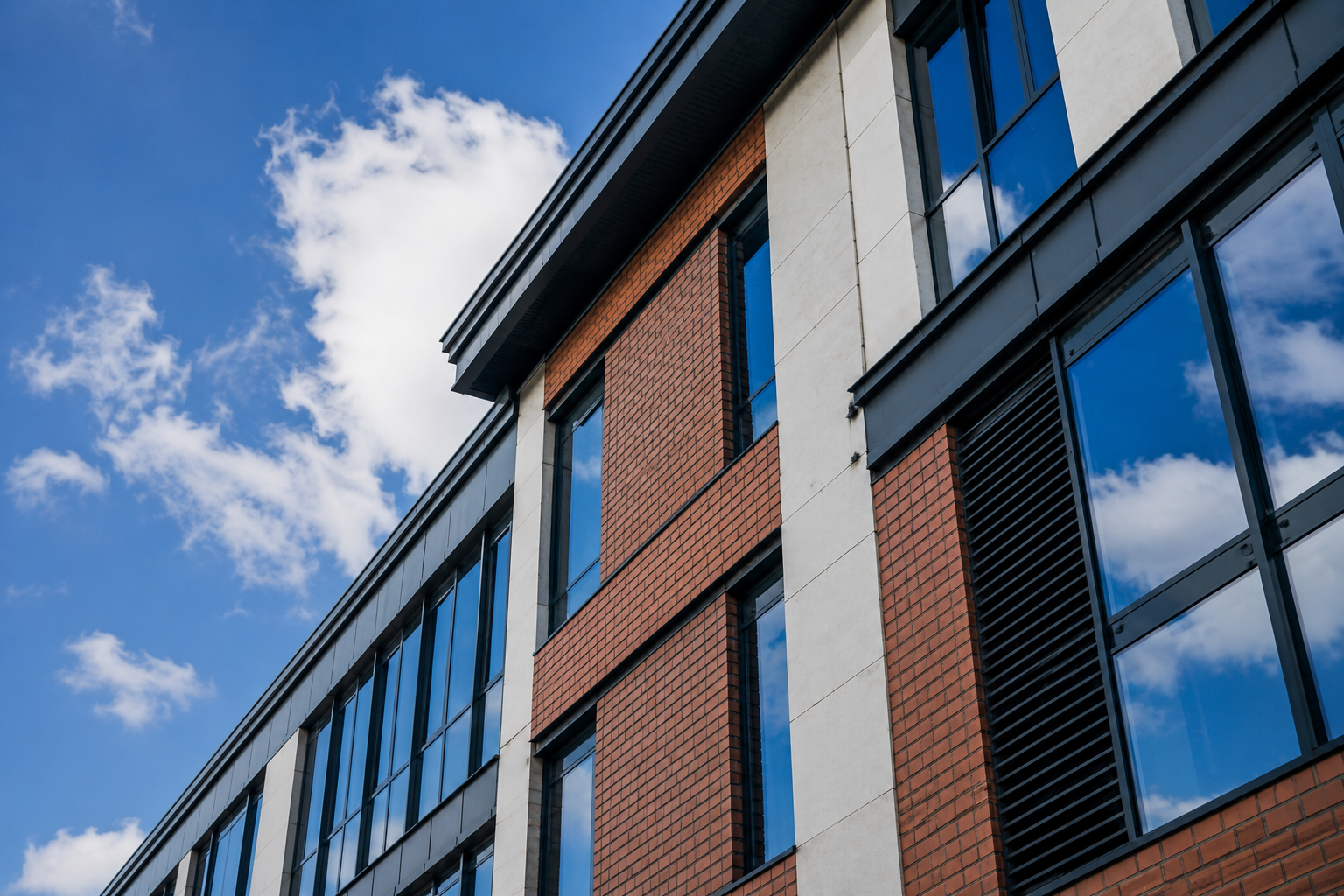
Think of your building’s envelope as its skin. It is the complete, continuous barrier that wraps your entire structure, separating the indoor environment from the outdoor elements. Its primary job is to control the movement of moisture, air, and temperature. When this system functions correctly, your interior stays dry, comfortable, and energy-efficient. However, even minor failures, like a cracked seal or a small gap in the masonry, can allow water and air to penetrate, leading to issues like mold, wood rot, structural decay, and wasted energy. Understanding the health of your building envelope through periodic assessments is the key to preventing minor issues from becoming major disasters.
What the Building Envelope Includes
The building envelope is not a single component but a complex system of interconnected parts that must work together seamlessly. A comprehensive review looks at every element that contributes to this protective barrier.
Exterior Walls and Masonry
This includes brick, stone, terra cotta, and other cladding that forms the primary vertical barrier.
Windows and Doors
These are openings in the envelope that must be properly installed and sealed to prevent drafts and water intrusion.
Sealants and Expansion Joints
The flexible joints and caulking that seal gaps between materials are critical for accommodating natural building movement while keeping water out.
Roofing Transitions and Flashing
The areas where the roof meets walls, chimneys, or vents are highly vulnerable. Flashing is essential for directing water away from these intersections.
Foundations and Drainage Interfaces
The base of the building where it meets the ground must be properly waterproofed and graded to manage groundwater and surface runoff.
What a Building Envelope Assessment Evaluates
A professional assessment is a detailed investigation into the performance and condition of your building’s exterior. The goal is to identify hidden vulnerabilities before they cause damage. Inspectors focus on several key areas of risk.
Moisture Intrusion Risks
Water is the number one enemy of any structure. An assessor will meticulously search for potential entry points, which often hide in plain sight. This includes inspecting for failed or aging sealants around windows, gaps in flashing along roof lines, and cracked masonry or mortar joints that can absorb or channel water directly into the wall cavity.
Air Leakage and Energy Loss
Do you feel drafts near windows or outlets? These are signs of air leakage, which means your heating and cooling systems are working harder than they need to. An assessment identifies these draft paths and looks for indicators of poor insulation performance. Sealing these leaks can significantly improve comfort and lower your energy bills.
Structural Movement
All buildings settle and shift over time, but certain types of movement can indicate a serious problem. An inspector looks for tell-tale signs like expanding settlement cracks in the foundation, separation in control joints, or displacement in walls. Identifying these issues early allows for targeted, less invasive repairs.
Material Deterioration
The materials that make up your building envelope are constantly exposed to the elements and have a finite lifespan. An assessment evaluates the condition of these materials, noting issues like brittle, aging caulking, spalling or flaking brick faces, and general surface wear that could compromise the envelope's integrity.
Methods Used During an Assessment
To get a complete picture of your building’s health, professionals use a combination of techniques, moving from broad observation to detailed testing. The process is systematic and designed to be as non-invasive as possible.
It begins with a thorough visual inspection of every exterior component, from the foundation to the roofline. Trained eyes can spot subtle signs of stress and water intrusion that are often missed.
Next, specialized equipment like moisture detection tools may be used to identify dampness within wall cavities without needing to open them up.
Specific components like sealant beads are subjected to joint and sealant testing to check their adhesion and flexibility. Finally, a careful drainage and flashing evaluation ensures that water is being properly managed and directed away from the structure as designed.
Benefits of a Professional Envelope Review
Investing in a building envelope assessment is a proactive strategy that delivers tangible returns. By identifying and addressing issues early, you can protect your property and your finances.
Prevents Leaks
The most immediate benefit is catching vulnerabilities before they turn into active leaks. An assessment can pinpoint a failing window seal or a gap in the masonry, allowing you to make a simple exterior repair and avoid the costly process of fixing interior water damage, mold, and rot.
Improves Energy Efficiency
By identifying and recommending fixes for air leakage points, an assessment helps you reduce energy loss. This not only makes your building more comfortable year-round but also leads to immediate and long-term savings on heating and cooling costs.
Extends Building Lifespan
When problems are caught early, the required repairs are often less invasive and more effective. Addressing a small crack in a historic terra cotta facade, for example, is far better than waiting until the damage requires a major structural restoration. Preventive care preserves the original materials and extends the life of the entire structure.
Reduces Long-Term Costs
The core value of an envelope assessment is financial. The cost of a proactive review is minimal compared to the expense of emergency repairs, extensive water damage restoration, or major structural work. It is one of the smartest investments you can make in the long-term health of your property.
When Property Owners Should Schedule One
While regular checkups are always a good idea, there are specific times when a building envelope assessment is particularly crucial.
Before Buying or Selling
An assessment provides a clear picture of the building's condition for buyers and helps sellers address issues proactively.
After Repeated Leaks
If you have persistent leaks that seem to reappear, an assessment can identify the true source of the problem.
Aging Building Materials
If your property is several decades old, its original sealants and materials may be nearing the end of their service life.
Before Major Renovations
Before investing in a large interior or exterior project, ensure the underlying structure is sound and watertight.
What Happens After the Assessment
An assessment is not just a report of problems; it is a roadmap for action. Following the inspection, you will receive a comprehensive report that typically includes a repair priority list, helping you distinguish between urgent fixes and items that can be addressed in the future. It will also provide the framework for a preventative maintenance plan to keep your building in top condition. Finally, you will get targeted repair recommendations that detail the best methods and materials to use for a durable, effective solution.
Conclusion
Your building’s exterior is more than just a facade; it is a high-performance system that protects everything and everyone inside. A professional building envelope assessment is a powerful tool that moves you from a reactive to a proactive approach to property management. By identifying hidden risks early, these evaluations help you prevent costly damage, improve energy efficiency, and save significant money in the long run. Regular reviews are a fundamental part of preserving your property’s structural integrity and financial value.

BRICK ENVELOPING FAQS
What is included in a building envelope inspection?
A professional assessment evaluates exterior walls, masonry, sealants, windows, flashing, roof transitions, and drainage areas to identify water intrusion risks, air leakage, and material deterioration.
How often should a building envelope assessment be performed?
Most commercial and multi-family properties should be evaluated every 3–5 years, or immediately after recurring leaks, major weather events, or before large renovations or property transactions.
Can a building envelope assessment find leaks before they appear inside?
Yes. Inspections detect failing sealants, hidden moisture paths, and structural gaps early, often years before interior damage or mold becomes visible.
Is a building envelope assessment worth it financially?
Preventative assessments cost far less than repairing water damage, structural deterioration, or mold remediation. They help prioritize repairs and avoid emergency restoration expenses.
Who needs a building envelope inspection the most?
HOAs, condo associations, commercial property owners, and older buildings benefit most, especially properties with brick, stucco, or complex exterior systems exposed to heavy weather.
See What a Building Envelope Assessment Reveals
A healthy building envelope is the foundation of a safe, efficient, and valuable property. If you have questions about the condition of your building’s exterior or are ready to schedule a comprehensive assessment, our team of experts is here to help. Contact us to learn more about our professional inspection and masonry repair services.