
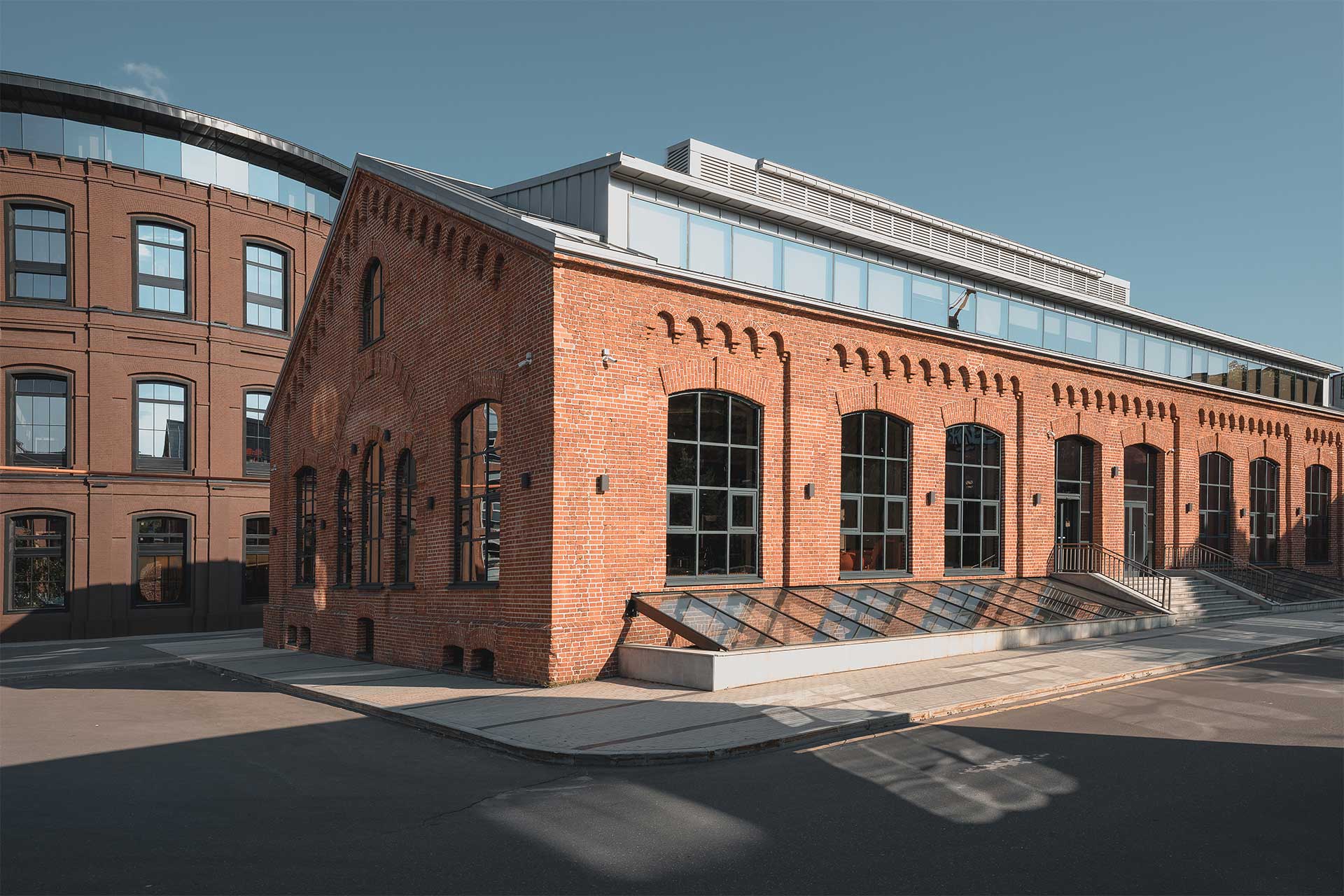
Your brick home is a timeless piece of Pacific Northwest architecture, built to stand strong against the elements. But our region’s unique climate, with its persistent rain and seasonal freezes, presents a specific set of challenges that can wear down even the most robust masonry, leading to needed brick repair. Understanding why your brick is deteriorating is the first step toward preserving its beauty and structural integrity for decades to come. This guide will walk you through the primary causes of brick damage specific to homes in our area, helping you identify problems before they become severe.
THE PROBLEM
Why Brick Homes in the Pacific Northwest Age Differently
Have you ever wondered why brick structures in drier climates seem to fare better than some here in Washington? The answer lies in the relentless, year-round presence of water. Unlike areas with distinct wet and dry seasons, our region subjects masonry to long periods of moisture retention. Bricks and mortar rarely have the chance to dry completely. When winter arrives, this trapped water freezes and expands, creating a destructive cycle. Add the pressures from soil movement on our many hillsides and the impact of lush vegetation, and you have a unique environment that accelerates masonry wear and tear.
Persistent Moisture Exposure (Primary Cause)
By far, the most significant threat to brick in the Pacific Northwest is constant moisture. Water is the catalyst for nearly every other form of deterioration, acting as a slow but powerful force that compromises your home’s exterior from the inside out.
Prolonged Rain Saturatio
Think of a brick as a hard sponge. During our long, drizzly seasons, masonry absorbs rainwater and can remain saturated for weeks or even months. This constant dampness slowly dissolves the binding agents in mortar, causing it to soften, crumble, and lose its grip on the bricks. Over time, this weakening can lead to significant structural instability.
Shaded Surfaces and Slow Evaporation
Certain areas of your home are more vulnerable than others. North-facing walls, or those shaded by large trees or neighboring structures, receive little direct sunlight. These surfaces stay wet far longer after a storm, creating a perfect breeding ground for organic growth. The green or black film of algae, moss, and mildew you might see is more than a cosmetic issue; it holds moisture directly against the brick and mortar, accelerating its decay.
Poor Drainage Around Foundations
How water is managed at ground level is critical. Clogged gutters, improper grading, or downspouts that discharge too close to the house can saturate the soil around your foundation. This leads to “splashback,” where rain hits the ground and continuously soaks the lower courses of your brickwork. This is why you often see the most significant deterioration, crumbling, and staining near the bottom of a wall.
Freeze-Thaw Cycles
The real damage often happens when temperatures drop below freezing. Water that has seeped into the pores of your brick and mortar joints expands by about 9% when it turns to ice. This expansion exerts incredible pressure from within.
When this happens repeatedly through the winter, it creates a destructive freeze-thaw cycle. The ice acts like a tiny, powerful wedge, prying apart the masonry. This process is the primary cause of:
Spalling
Where the face of the brick flakes or pops off.
Cracking
Fine or large cracks appearing in bricks and mortar.
Joint Separation
Mortar is being pushed out from between the bricks.
Each winter, this cycle can deepen existing damage, turning minor issues into major structural problems.
Efflorescence and Mineral Deposits
Have you noticed a chalky, white residue appearing on your brick surfaces? This is a condition called efflorescence. It occurs when water seeping through the masonry dissolves natural salts within the brick and mortar. As the water evaporates from the surface, it leaves these salt deposits behind. While efflorescence itself is not damaging, it is a clear visual indicator of internal moisture movement and a warning sign that conditions are right for more severe, long-term deterioration.
Soil Movement and Settlement
The ground beneath your home is not always as stable as it seems, especially in the varied topography of the Pacific Northwest.
Expansive Clay Soils
Many areas in our region have clay-rich soils. This type of soil expands significantly when it becomes saturated with winter rains and shrinks as it dries out in the summer. This seasonal expansion and contraction can put immense pressure on your home’s foundation, causing it to shift. On a brick structure, this movement often reveals itself as distinctive “stairstep” cracks that follow the pattern of the mortar joints.
Hillside and Slope Pressure
For homes built on the beautiful hillsides of Seattle and the surrounding areas, the earth itself can be a source of constant pressure. The lateral (sideways) force from soil and water on a slope pushes against foundations and retaining walls. Over time, this can cause structural shifting, leading to leaning chimneys, bowing walls, and significant cracking.
Vegetation and Organic Growth
The lush greenery we love in the Pacific Northwest can be an enemy to your masonry. Moss and algae, as mentioned, act like a damp blanket against the brick. More destructively, the roots from nearby trees and large shrubs can grow into and underneath your foundation, causing uplift and cracking. Even seemingly harmless ivy can be a problem; its tendrils work their way into tiny crevices in the mortar, trapping water and widening the gaps as they grow.
Failed Sealants and Flashing
Your brick walls are a system, and the points where they meet other materials like windows, doors, and roofs are often the most vulnerable. Over time, the materials used to seal these gaps break down. Aging or cracked caulking around window and door frames allows water to seep in behind the masonry. Likewise, deteriorating metal flashing around a chimney or along a roofline can create a direct channel for water to enter the wall system, leading to hidden rot and brick damage.
Incompatible Past Repairs
Sometimes, a well-intentioned repair can cause more harm than good. A common mistake is using modern, high-strength Portland cement mortar to patch or tuckpoint an older brick home. Historic brick is relatively soft and was designed to be used with a softer, more flexible lime-based mortar. When a hard, rigid patch is applied, it doesn’t “breathe” or move with the original structure. As a result, stress concentrates in the surrounding soft brick, causing it to crack and spall. Similarly, applying a waterproof sealer can trap moisture inside the wall, preventing it from evaporating and accelerating freeze-thaw damage.
WARNING SIGNS
Signs These Issues Are Affecting Your Home
Walk around your property and look for these common warning signs of masonry deterioration:
- Cracks in the mortar joints, especially in a stairstep pattern.
- Flaking, chipping, or popping on the faces of the bricks (spalling).
- A white or crystalline residue staining the surface (efflorescence).
- Damp patches, peeling paint, or a musty smell on interior walls.
- A chimney that is visibly leaning or separating from the house.
- Bowing or bulging in a brick wall.
Conclusion
The Pacific Northwest climate creates a uniquely challenging environment that can accelerate the natural aging process of brick and mortar. The vast majority of these issues, from spalling and cracking to efflorescence, begin with unwanted moisture movement. Identifying the signs of deterioration early and addressing the root cause is the key to preventing minor cosmetic issues from evolving into costly structural repairs. With proper maintenance and correct, material-appropriate repairs, you can protect your investment and ensure your brick home stands strong for generations to come.
Brick Repair FAQs
Why do brick homes deteriorate faster in the Pacific Northwest?
The region’s long rainy seasons keep masonry constantly damp. Because brick and mortar rarely fully dry, water remains trapped inside and expands during freezing temperatures. This repeated moisture and freeze-thaw cycle accelerates cracking, spalling, and mortar breakdown compared to drier climates.
Is moss or algae on the brick just cosmetic, or is it damaging?
It’s more than cosmetic. Moss and algae hold moisture against the surface, preventing the brick from drying. Over time, this constant dampness weakens mortar joints and increases freeze-thaw damage, which can lead to cracking and surface deterioration.
What causes stair-step cracks in brick walls?
Stair-step cracks usually indicate foundation movement. In the Pacific Northwest, clay soils expand when wet and shrink when dry, shifting the structure slightly. Brick cannot flex like wood framing, so the movement shows up as cracks following the mortar joints.
Why does white powder keep appearing on my brick exterior?
White residue (efflorescence) forms when water moves through the masonry and leaves salt deposits behind as it evaporates. While not harmful by itself, it signals ongoing moisture intrusion that can eventually lead to structural deterioration if ignored.
Can sealing the brick stop moisture problems permanently?
Not always. Some sealers trap moisture inside the wall, making freeze-thaw damage worse. Effective long-term repair focuses on correcting drainage, mortar compatibility, and flashing rather than simply coating the surface.
Protect Your Building with Expert Brick Repair Services
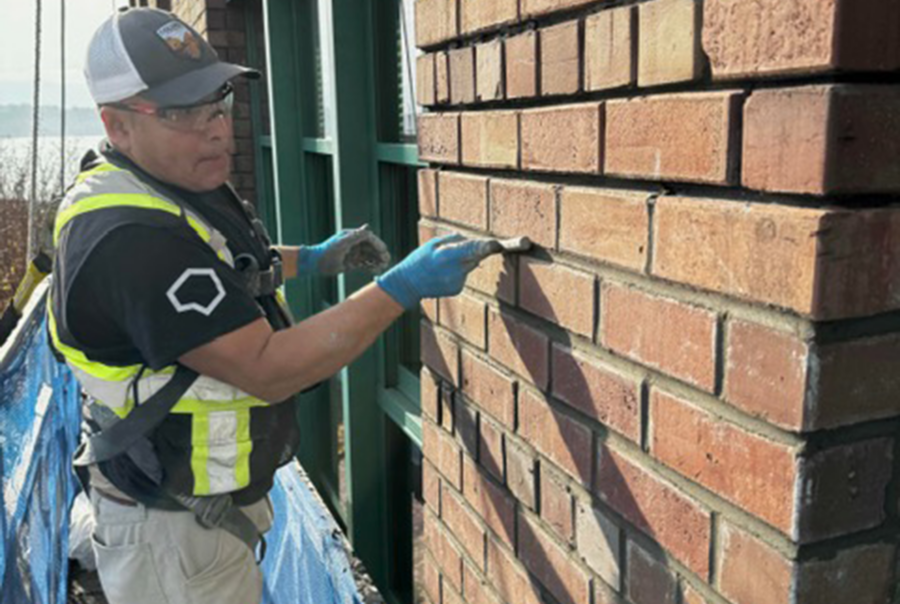
Understanding the cause of the damage is the first step. The next step is ensuring the repair is done correctly to prevent future issues. If you are seeing these signs around your home, it’s important to understand what a professional, historically-appropriate repair process involves. Explore our Brick Laying & Repair services to see how our specialists address these issues and restore the integrity of your masonry.