

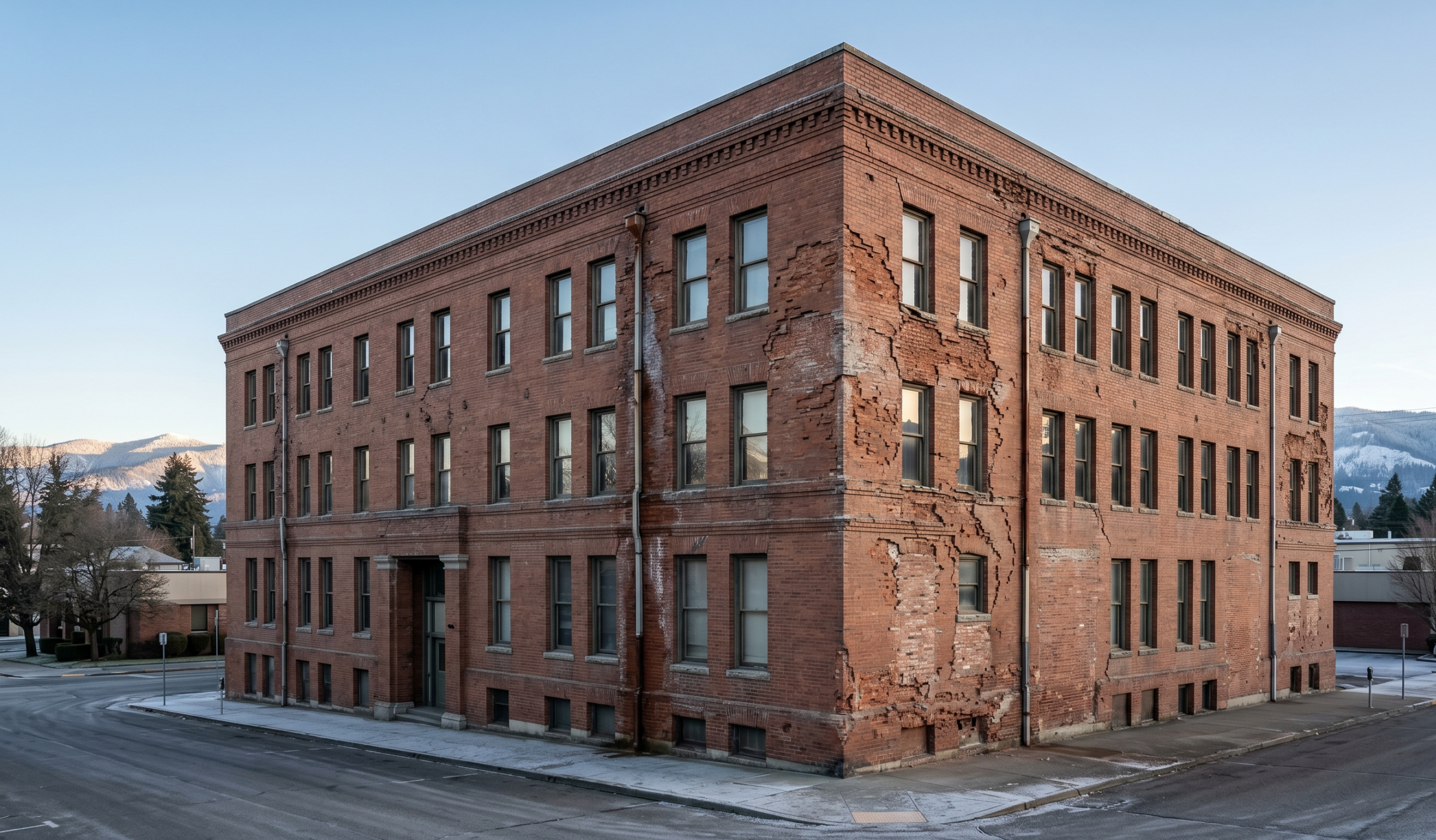
The Pacific Northwest’s climate is defined by persistent moisture. For owners of beautiful brick commercial properties, this dampness, when combined with our plunging winter temperatures, presents a hidden but relentless threat. Have you ever wondered why a solid brick wall might start to flake, crack, or crumble over time? The answer often lies in the powerful, destructive force of the freeze-thaw cycle. This seasonal process subjects your masonry to immense stress, turning tiny amounts of trapped water into a force that can compromise your property’s structure. Understanding this process is the first step in protecting your property’s integrity and value.
Why Freeze – Thaw Damage Is Common in Western Washington
Here in Western Washington, our weather patterns create a perfect storm for masonry damage. It’s not the extreme cold of other climates that poses the biggest risk; it’s the constant fluctuation around the freezing point. Our winters are characterized by frequent rainfall and high humidity, followed by nights where the temperature drops just below 32°F.
This means brick and mortar surfaces rarely have the chance to dry out completely. Moisture from a daytime rain shower soaks into the porous masonry, and before it can evaporate, an overnight freeze sets in. This repeated cycle of saturation and freezing, season after season, methodically weakens the masonry, leading to damage that worsens with each passing year.
The Science Behind Freeze – Thaw Masonry Damage
What appears to be simple weathering is actually a powerful physical process happening inside your walls. The damage is not random; it follows a predictable scientific principle that unfolds in three distinct stages.
Water Absorption in Brick and Mortar
Think of brick and mortar as rigid sponges. They are naturally porous materials, filled with a network of microscopic voids and capillaries. When it rains, this porous structure readily absorbs and holds water. Moisture enters not only through the face of the brick but also through tiny hairline cracks or weathered mortar joints, becoming trapped deep inside the masonry wall.
Expansion During Freezing
When water turns to ice, it expands its volume by approximately 9%. This expansion, occurring within the confined pores of a brick, generates incredible internal pressure. This force acts like a tiny, powerful wedge, creating microfractures from the inside out. While a single freeze might not cause visible damage, it initiates a network of tiny cracks throughout the material.
Repetition Causes Structural Weakening
The true damage comes from repetition. With each subsequent freeze-thaw cycle, water enters the initial microfractures, freezes, and expands them further. What started as an invisible fissure grows larger and connects with other cracks. Over time, this compounding process breaks down the internal structure of the brick and loosens the mortar that bonds everything together. The damage accumulates annually, leading to noticeable and serious structural decay.
Spalling: The Most Visible Freeze Damage
One of the most common and obvious signs of freeze-thaw damage is spalling. This is when the face of the brick begins to pop, flake, or peel away from the main body of the unit.
What Spalling Looks Like
You can identify spalling by looking for:
- Flakes or chips of brick detaching from the surface.
- Pitted, rough, or pockmarked brick faces.
- Corners and edges of bricks breaking away completely.
Why It Happens
Spalling occurs when moisture gets trapped just behind the hard, outer face of the brick. As this water freezes and expands, it exerts enough pressure to push the front layer of the brick outward, causing it to detach. It is a clear sign that water is penetrating the masonry and freezing.
Why It Matters
Spalling is much more than a cosmetic issue. The dense outer layer of a brick acts as its primary protective shell. When this layer is lost, the softer, more porous interior is exposed to the elements. This accelerates the rate of water absorption and makes the brick far more susceptible to rapid deterioration in future freeze-thaw cycles.
Cracking Caused by Freeze – Thaw Stress
As freeze-thaw cycles repeat over many seasons, the internal stress can become great enough to cause visible cracks in the masonry wall. These fractures are clear indicators of structural movement and weakening.
Building owners may notice vertical cracks running through bricks and mortar lines or, more commonly, “step cracks” that follow the pattern of the mortar joints in a staircase shape. These fractures expand slightly with each winter, progressively weakening the wall. In severe cases, bricks may split completely through the center. This type of stress is often concentrated around structural openings, making cracks near windows and corners particularly common.
Mortar Joint Breakdown
The mortar is the glue that holds your brickwork together, and it is often the first element to show signs of freeze-thaw damage. Its failure is a critical issue that compromises the entire wall system.
Joint Separation
The repeated expansion and contraction can cause the mortar to pull away from the edges of the bricks. This breaks the crucial bond between units and creates gaps. These gaps act as direct channels for water to enter the wall, accelerating the destructive cycle.
Crumbling and Erosion
As freeze-thaw cycles break down the binders in the mortar mix, the mortar itself can lose its integrity. It may become soft, sandy, and begin to crumble or erode. You might notice sand-like particles on the ground beneath an affected wall, or see that the joints appear recessed and hollowed out.
Moisture Cycle Intensifies Damage
Failing mortar joints create a vicious cycle. The more the mortar crumbles and separates, the more water can penetrate the wall. This increased moisture content leads to more powerful and destructive freezes in the next cycle, which in turn causes even more severe damage to both the mortar and the surrounding bricks.
Areas Most Vulnerable to Freeze–Thaw Damage
Certain areas of a building are more exposed to the elements and therefore at a higher risk for freeze-thaw damage. When inspecting your property, pay close attention to:
Chimneys
Exposed to wind and rain on all four sides, they are highly susceptible.
Parapet walls
Low walls on rooftops are exposed on the top, front, and back.
North-facing elevations
These walls receive less direct sunlight and take much longer to dry out.
Near rooflines and gutters
Areas subject to concentrated water runoff or ice dams.
Foundation-level brick
Brick near the ground can absorb moisture directly from the soil.
WARNING SIGNS
Early Warning Signs Commercial Owners Should Watch For
Catching freeze-thaw damage early is key to preventing small problems from becoming large, expensive ones. After a cold and wet winter, walk around your property and look for these telltale signs:
- Flaking or popping brick surfaces (spalling).
- New cracks have appeared since the previous year.
- Loose, crumbling, or recessed mortar joints.
- White, powdery mineral staining on the brick surface (efflorescence), which indicates water is moving through the masonry.
- Damp or musty smells on interior walls adjacent to exterior brick.
Preventing Escalating Damage
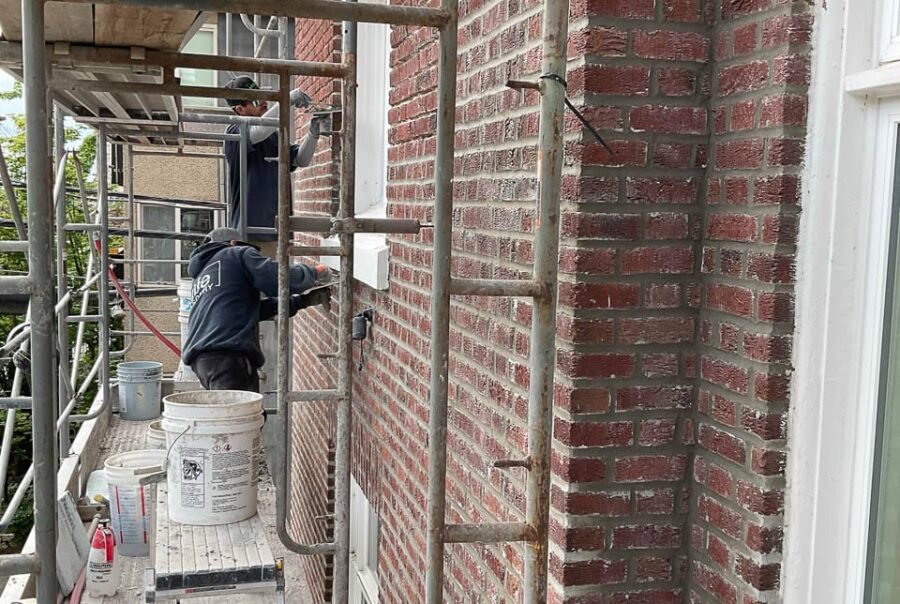
The most effective strategy against freeze-thaw damage is proactive maintenance. By addressing small issues as they appear, you can stop the cycle of deterioration and protect the structural integrity of your property. Focus on addressing failing mortar joints early through tuckpointing, replacing severely spalled bricks to protect the wall’s interior, and ensuring your gutters, downspouts, and site drainage are functioning correctly to direct water away from your walls. A routine inspection each spring after the last frost is a wise investment in your building’s longevity.
Conclusion
For commercial property owners in the Pacific Northwest, freeze-thaw cycles are a primary and persistent cause of masonry deterioration. The damage is progressive, starting small but compounding with every winter season. What begins as a minor cosmetic flaw, like a flaking brick or a small crack, can evolve into a significant structural issue if left unaddressed. By recognizing the early warning signs and committing to proper, timely maintenance and professional brick repair, you can halt this destructive process and ensure your brick building stands strong for generations to come.
Brick Repair FAQs
Why do bricks start crumbling after winter in Washington?
Winter moisture soaks into porous brick and mortar, then freezes overnight. The ice expands and slowly breaks the masonry apart from the inside, causing flaking, cracking, and loose mortar by spring.
Is brick spalling dangerous or just cosmetic?
Spalling exposes the softer inner brick to weather, which accelerates deterioration. Left untreated, it can lead to structural weakening and water intrusion, not just appearance issues.
Can freeze-thaw damage be stopped once it starts?
Yes, repairs like tuckpointing, failing mortar, and replacing damaged bricks stop moisture entry and prevent further winter expansion damage. Waiting allows the problem to worsen each winter.
Why is freeze-thaw damage worse on certain sides of the building?
North-facing walls, chimneys, and areas near gutters stay wet longer and freeze more often. Repeated wet-freeze cycles in these areas cause faster masonry deterioration.
When should I repair winter brick damage, immediately or wait until summer?
Repairs should be scheduled after freezing temperatures end but before the next rainy season. Fixing the damage early prevents moisture from re-entering and causing more severe damage the following winter.
Understand Cold-Weather Brick Damage Today
If you have noticed any of these signs on your property, understanding the proper, historically sensitive repair methods is the next critical step. To preserve the character and strength of your building, repairs must be done with the right materials and techniques. Learn more about our meticulous approach to professional brick and masonry repair.