
A small crack appears in your brick exterior. Your first instinct might be to grab a tube of caulk or a bucket of pre-mixed mortar from the hardware store for a quick weekend fix. While the DIY spirit is admirable, when it comes to masonry, a simple repair is rarely as simple as it seems. This guide will help you understand the critical differences between a DIY patch and a professional brick repair, so you can make the best decision to protect your property’s value and structural integrity.
Why Brick Repair Decisions Matter
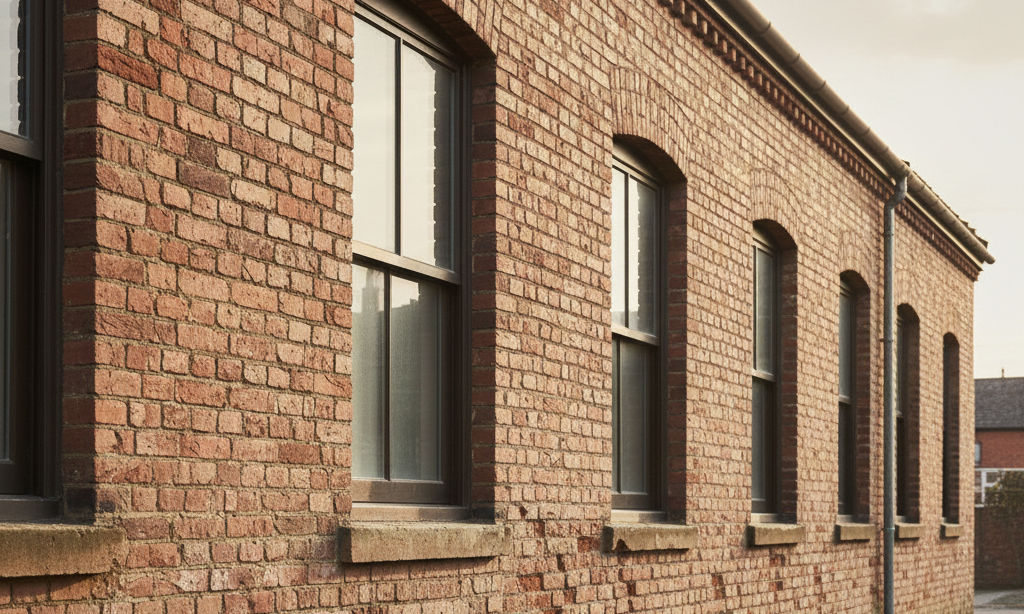
That hairline crack or crumbling mortar joint might look like a minor cosmetic issue, but it can be a warning sign of deeper problems. Small masonry issues have a tendency to grow into significant structural damage if they are not addressed correctly. Water is the primary enemy of brickwork, and an improper repair can trap moisture inside the wall, causing the brick faces to spall and the internal structure to decay far faster than if it were left alone. Choosing the wrong repair method often leads to more extensive and costly work down the road. Understanding when a DIY approach is safe versus when a professional is necessary is key to preserving your property for the long term.
What Brick Repair Actually Involves
Effective brick repair is a science that goes far beyond simply filling in gaps. It requires a deep understanding of how your property was built and how the materials interact with each other and the environment.
More Than Just Filling Cracks
Are all mortars the same? Absolutely not. One of the most critical aspects of a lasting repair is mortar compatibility. Older commercial buildings, warehouses, and multi-story properties were often constructed with soft, lime-based mortars designed to be “breathable.” This allows moisture to evaporate out through the mortar joints. Applying a modern, hard Portland cement-based mortar to these structures can trap moisture, forcing it to escape through the brick itself. In a freeze-thaw cycle, this trapped water can destroy the face of the brick, leading to costly façade damage. A proper repair also considers the structural load the wall is carrying, especially critical in multi-story buildings and load-bearing commercial structures, ensuring the new work can support the weight without creating stress points that compromise the building’s integrity.
Common Types of Brick Repairs
Masonry repair covers a wide range of interventions, each requiring specific skills and knowledge:
- Repointing: This is the process of carefully removing old, deteriorated mortar from the joints and replacing it with new, compatible mortar.
- Replacing Damaged Bricks: When bricks are cracked, spalled (flaked), or broken beyond repair, they must be surgically removed and replaced with matching units.
- Crack Stabilization: For significant cracks, specialists may use hidden pins, staples, or other reinforcement techniques to stabilize the wall and prevent further movement.
- Chimney and Wall Corrections: This involves addressing more severe issues like leaning chimneys or bulging walls, which often require partial or complete rebuilding to correct underlying structural failures.
When DIY Brick Repair Can Work
For property owners who are comfortable with hands-on projects, some minor masonry tasks can be tackled without calling in a professional, provided you understand the limitations.
Appropriate Small Repairs
A DIY approach can be suitable for truly minor, cosmetic issues that do not affect the building’s structural stability or water management system. These tasks might include:
- Filling a few hairline mortar cracks that are thinner than a credit card.
- Patching a very small cosmetic chip on a single brick’s corner.
- Gently cleaning efflorescence (the white, powdery salt deposits) from the surface with a stiff brush and water.
- Replacing a single, non-load-bearing brick in an easily accessible area, like a garden wall.
Advantages of DIY
The primary appeal of doing it yourself is the immediate cost savings on labor. For a minor cosmetic blemish, a quick patch can improve your property’s appearance in an afternoon. It can be a satisfying way to handle routine maintenance and keep small issues from looking unsightly.
Limitations of DIY
The challenges of DIY brick repair become apparent quickly. It is extremely difficult for a property owner to accurately analyze and match the composition, color, and strength of historic mortar. Removing old mortar without damaging the surrounding bricks requires specialized tools and a practiced hand. Most importantly, these surface-level fixes are often temporary and fail to address the underlying cause of the deterioration.
Risks of DIY Masonry Repair
When a DIY brick repair goes wrong, it doesn’t just look bad; it can cause active harm to your property. The risks are significant and often hidden from view until major damage has occurred.
Moisture Trapping
The single greatest risk of an improper repair is trapping moisture. Using a mortar that is harder than the original brick is a classic mistake. The new, hard mortar joint will not allow water vapor to pass through it. As a result, moisture gets locked in the wall, and the bricks themselves become the path of least resistance. This leads to spalling, cracking, and internal decay that can compromise the entire wall system.
Structural Mistakes
Your property’s brick walls are not just a decorative skin; they are a structural system. Incorrectly removing mortar from a load-bearing section of a wall, even a small area, can cause the bricks above to shift or settle. This creates new stress points and can lead to a chain reaction of cracking and instability that is far more serious than the original problem.
Safety Concerns
Working on masonry, especially on a chimney or upper-story wall, carries inherent safety risks. Working from a ladder or on a roof requires proper safety protocols to prevent falls. There is also a real danger of dislodging loose bricks, which can fall and cause injury or property damage below. A leaning or unstable chimney should never be a DIY project, as it can collapse without warning.
Professional Brick Repair: What Makes It Different
A professional masonry contractor brings a level of expertise, equipment, and materials that simply isn’t available to the average business owner. Their approach is holistic, focusing on a lasting solution rather than a temporary patch.
Take the Next Step in Protecting Your Masonry
Weather damage is a predictable and preventable issue when managed with foresight. If you have noticed any of the warning signs discussed here on your property, or if you want a professional assessment of your brickwork’s condition, our team of specialists is here to help. We can identify the root cause of the deterioration and recommend the proper, historically sensitive solutions to preserve your home for decades to come.
Proper Diagnosis
The first step a professional takes is not to mix mortar, but to perform a thorough diagnosis. They work to identify the underlying cause of the damage. Is a downspout dumping water against the wall? Is a failed window seal letting moisture in? Is the foundation settling? By identifying the root cause, a professional ensures the repair will last because the source of the problem is also being fixed.
Correct Materials
A specialist has the knowledge and resources to precisely match the materials of your property. This includes analyzing and recreating the strength, permeability, and color of historic mortar to ensure the repair is both visually seamless and functionally compatible. They understand how to prepare joints to the proper depth to create a strong, durable bond that will resist weather for decades.
Specialized Techniques
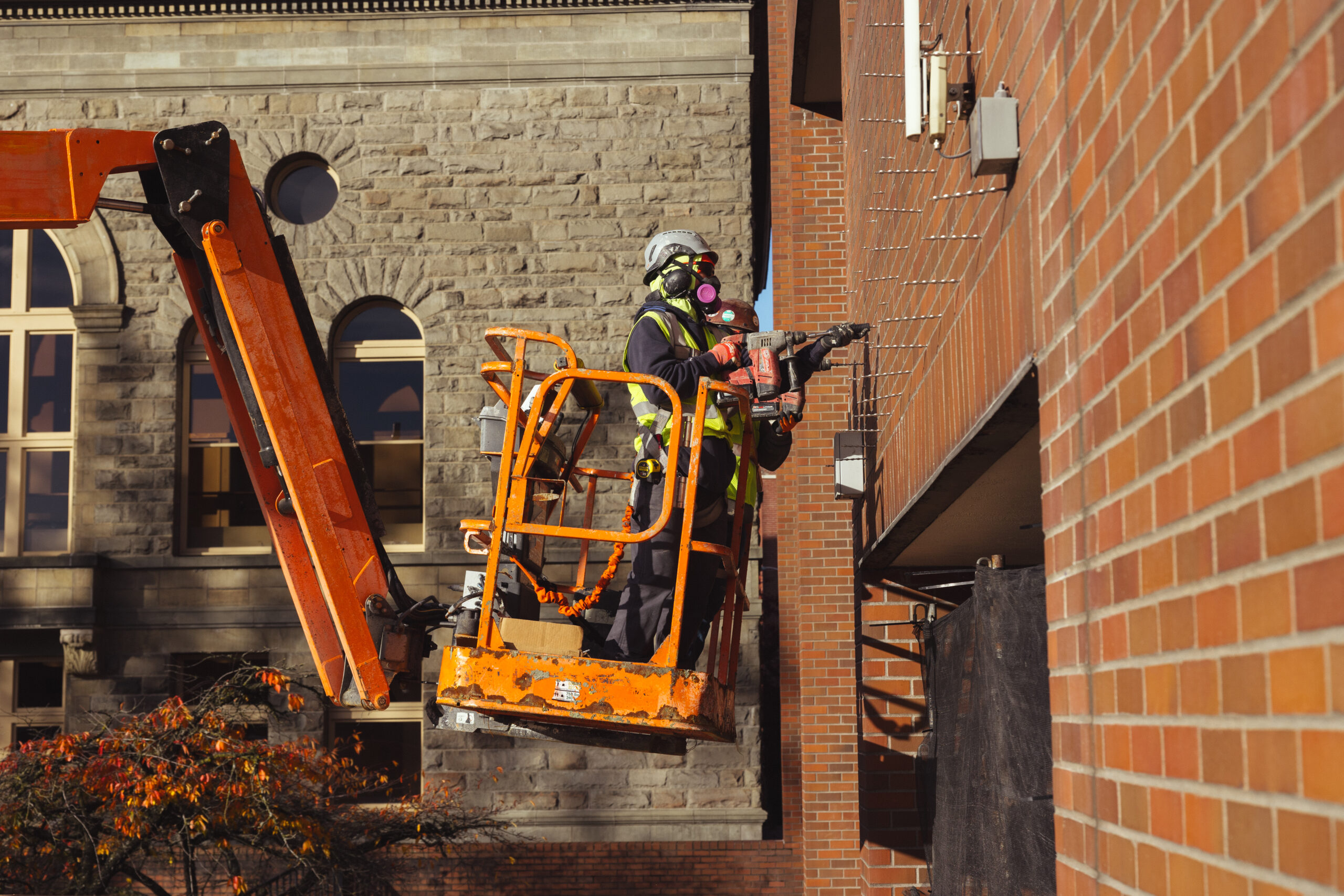
Professional masons use controlled, precise techniques for every step of the process. They use specialized grinders and chisels to remove old mortar without damaging historic bricks. They can implement engineered solutions for structural stabilization, sometimes in collaboration with structural engineers. They also know how to apply modern waterproofing systems that protect masonry from bulk water intrusion while still allowing it to breathe.
Long-Term Performance Comparison
The difference between a DIY patch and a professional restoration becomes clear over time.
DIY Results
A DIY repair typically has a much shorter lifespan. Because it often only addresses the surface symptom, the original problem is likely to reappear, sometimes within a single season. In the worst-case scenario, the incorrect repair method actively accelerates the deterioration of the surrounding masonry, leading to more widespread damage.
Professional Results
A professional repair is designed to last for decades. By addressing the root cause and using the correct materials and techniques, it restores the structural integrity of the wall. It prevents recurring moisture issues and protects the long-term health of your entire building, preserving its value and safety.
When to Call a Professional Immediately
While small cosmetic fixes can sometimes be a DIY task, certain signs indicate a serious problem that requires immediate professional evaluation. Contact a masonry specialist if you see:
- Any crack wider than a quarter-inch.
- Loose bricks, moving, or can be wiggled by hand.
- A wall that is visibly bulging, bowing, or curving outward.
- A chimney that is leaning or has visible gaps between it and the house.
- Signs of water intrusion or moisture on your interior walls.
- A problem area where previous repairs have failed repeatedly.
Short Term vs. Long Term Cost Comparison
It’s tempting to focus on the upfront savings of a DIY repair. However, this is often a shortsighted view. An incorrect repair that traps moisture or compromises the structure can turn a thousand-dollar problem into a ten-thousand-dollar restoration project. Paying for a professional repair is an investment in preventing catastrophic failure and avoiding the immense cost of a complete rebuild.
Conclusion
Ultimately, the decision between DIY and professional brick repair comes down to understanding the difference between a cosmetic fix and a structural solution. While minor maintenance like cleaning or patching a tiny chip can be a business owner’s task, any issue involving moisture, structural stability, or recurring cracks requires a professional. Choosing the right approach is not just about fixing a crack; it is about protecting the health, safety, and value of your entire property.
Brick Repair FAQs
Is it okay to repair a cracked brick yourself?
DIY brick repair is only safe for very small cosmetic issues like hairline mortar cracks or minor corner chips. If the crack is wider than about 1/8–1/4 inch, keeps returning, or appears near windows, doors, or chimneys, it likely indicates movement or moisture problems and should be evaluated by a professional mason.
Why does brick damage come back after a DIY repair?
Most DIY fixes only cover the surface instead of solving the cause. If the wrong mortar is used, it can trap moisture inside the wall. Water then freezes, expands, and forces damage into surrounding bricks, making cracks and flaking reappear, often worse than before.
How do you know if brick damage is structural or cosmetic?
Cosmetic issues are small surface cracks or isolated mortar deterioration. Structural problems include loose bricks, stair-step cracking, bulging walls, leaning chimneys, or interior moisture stains. Structural signs mean the wall is moving or retaining water and requires professional repair.
Is repointing brick something business owners can do themselves?
Repointing requires matching the original mortar’s strength and breathability. Using mortar that is harder than the brick can permanently damage the wall and compromise structural integrity. Because older commercial buildings, warehouses, and multi-story properties often use softer lime mortar, repointing is usually a professional task to prevent long-term deterioration and avoid costly façade repairs that can disrupt business operations.
Is professional brick repair worth the cost compared to DIY?
Professional repair costs more upfront but typically lasts decades because it fixes the root cause and uses compatible materials. DIY repairs often fail within a season and can accelerate damage, turning a small repair into a major restoration project later.
Protect Your Masonry Before Small Repairs Become Major Problems
If you’re unsure whether a crack is cosmetic or structural, don’t risk making the damage worse with the wrong repair method. Schedule a professional masonry assessment with Rife Masonry’s union-trained team. We help business owners identify the real cause of deterioration, recommend the right repair approach, and ensure your brickwork stays durable, safe, and long-lasting.