
Brick is a hallmark of enduring architecture, chosen for its strength, classic beauty, and longevity. But even the most robust materials are not immune to the persistent effects of weather. While brick is incredibly durable, damage often develops gradually, hiding beneath the surface before becoming a visible and costly problem. Here in the Pacific Northwest, our unique climate of prolonged rain and cyclical freezes can accelerate this deterioration. Understanding how weather impacts your masonry is the first step toward recognizing when professional brick repair becomes necessary to protect your home’s structural integrity and value.
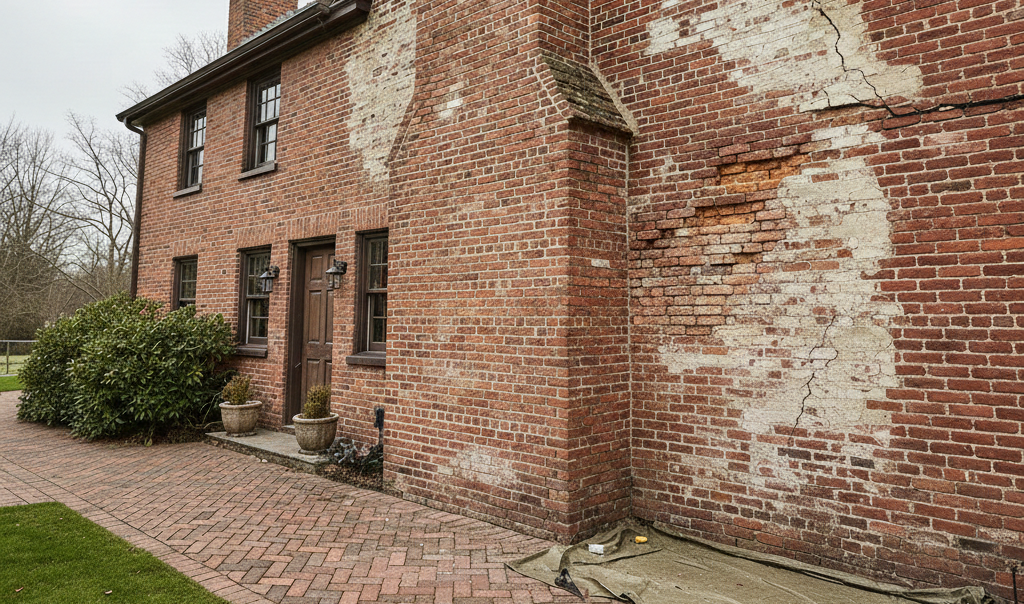
The Science Behind Weather-Related Brick Damage
The handsome, solid appearance of a brick wall can be deceiving. The real story of its longevity is happening at a microscopic level, where a constant struggle against the elements takes place. To truly grasp why repairs become necessary, it’s helpful to understand the science at play.
Moisture Absorption in Masonry
Have you ever wondered why a brick facade looks darker after a rainstorm? Both brick and the mortar that binds it are porous materials, meaning they naturally absorb water like a sponge. When water infiltrates these materials, it begins to weaken the mortar joints first, as they are typically the softest part of the wall system. This process is magnified by the repeated wet-dry cycles common in our region. Each time the masonry becomes saturated and then dries out, it undergoes subtle structural changes, slowly degrading its strength and resilience from the inside out.
Freeze-Thaw Expansion
The most destructive force for brick in a climate like ours is the freeze-thaw cycle. When water absorbed by the brick and mortar freezes, it expands by approximately 9 percent. This expansion exerts immense internal pressure on the masonry. As temperatures rise and the ice thaws, the pressure is released, only to repeat during the next cold snap. This relentless cycle causes significant damage over time:
- Cracking: The pressure can create fine fissures that grow into larger, more serious cracks.
- Spalling: This is when the face of the brick flakes, peels, or pops off, exposing the softer interior to even more rapid decay.
- Mortar Separation: The force can push the mortar away from the brick, breaking the bond and creating pathways for even more water to enter the wall system.
UV Exposure and Temperature Changes
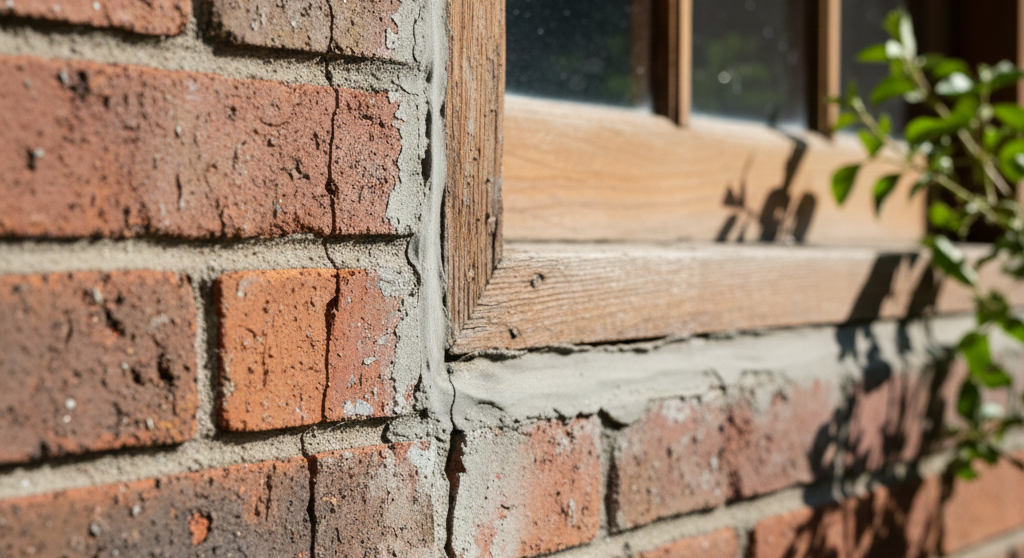
Direct sunlight and daily temperature fluctuations also contribute to long-term wear. The sun’s UV rays can degrade sealants and colored mortar over time, reducing their effectiveness. Furthermore, as your brickwork heats up during the day and cools at night, it expands and contracts. Uneven drying and these thermal movements can cause materials to shrink at different rates, leading to the formation of hairline cracks that, while small at first, become entry points for moisture.
Seasonal Brick Damage Patterns
Weather damage isn’t random; it often follows predictable patterns throughout the year. By knowing what to look for each season, you can stay ahead of potential problems.
Winter: The Season of Structural Stress
Winter is when masonry is under the most strain. The repeated freeze-thaw cycles are at their peak, leading to visible spalling on brick faces and the crumbling of mortar joints. It is common to discover new or expanded cracks in your brickwork after a prolonged cold period, as the trapped moisture does its destructive work.
Spring: The Onset of Water Intrusion
As temperatures rise, the focus shifts from ice expansion to water saturation. Spring rains can overwhelm masonry that was weakened over the winter. This is when you are most likely to see efflorescence, a white, powdery residue left on the surface as water evaporates and deposits mineral salts. More critically, this is when you might first notice symptoms of moisture inside your home.
Summer: The Impact of Expansion Movement
The heat of summer causes thermal expansion, which can widen existing cracks in your brick and mortar. This movement can be especially noticeable in chimneys and long retaining walls, which may show signs of shifting. Failed sealants around windows and joints often become more apparent during this time as gaps widen.
Fall: The Pre-Winter Acceleration Phase
Autumn is a critical period of transition. As the rainy season returns, moisture quickly finds its way back into the cracks and voids that formed or worsened over the summer. This “re-charging” of the masonry with water sets the stage for the next destructive winter freeze, turning minor issues into major failures.
Warning Signs of Long-Term Masonry Damage
Routine inspection is your best defense. A few times a year, walk around your property and look closely at your brickwork. Keep an eye out for these clear warning signs that indicate long-term weather damage is taking its toll:
As a general guideline in the Greater Seattle climate, typical service life ranges are:
- Cracked Mortar Joints: Look for visible cracks or areas where the mortar seems to be receding or crumbling away.
- Flaking or Chipped Brick (Spalling): This is a definitive sign of freeze-thaw damage and a serious red flag.
- White Powder Residue (Efflorescence): This indicates that water is actively moving through your masonry and evaporating from the surface.
- Leaning Chimney: Any noticeable tilt or separation of the chimney from the house is a sign of a significant structural issue.
- Bowed or Bulging Exterior Walls: A wall that appears to be curving outward is under immense stress and requires immediate professional assessment.
- Interior Moisture or Musty Smells: Damp spots on interior walls, peeling paint, or a persistent musty odor can be traced back to water intrusion through the masonry.
- Gaps Around Windows and Doors: Failing mortar or shifting brick can create gaps between the masonry and adjacent frames, breaking the weatherproof seal.
When Brick Repair Becomes Necessary
Recognizing a problem is the first step; knowing when to act is the next. Masonry issues can be categorized by their urgency.
Preventative Repair Needed Soon
If you notice the following signs, it’s time to schedule a professional consultation. Acting now can prevent small issues from becoming structural emergencies.
- Mortar cracks that are less than a quarter-inch wide.
- Small, isolated patches of spalling on a few bricks.
- Early or light signs of efflorescence staining.
Immediate Repair Required
These symptoms indicate a serious problem that could compromise the safety and integrity of your home. Do not delay in contacting a specialist.
- Loose or shifting bricks that you can move by hand.
- Visible water entering the interior of your home during rain.
- Any bulging or bowing in a brick wall.
- Noticeable movement or cracking in your chimney structure.
Why Early Repair Matters
It can be tempting to ignore a small crack or a bit of crumbling mortar, but this approach almost always leads to more extensive and expensive problems. Addressing masonry damage early is a crucial part of home maintenance.
- Prevents Widespread Water Intrusion: Sealing cracks and replacing damaged mortar stops water at the source, protecting your home’s internal structure from rot and mold.
- Stops Structural Deterioration: A small problem left alone will spread. Early intervention contains the damage and reinforces the wall system before it fails.
- Maintains Insulation Performance: Waterlogged masonry is a poor insulator. Keeping your brickwork dry helps maintain your home’s energy efficiency.
- Avoids Catastrophic Rebuild Costs: The cost of tuckpointing a few cracked joints is minuscule compared to the cost of rebuilding a failed wall or chimney.
Take the Next Step in Protecting Your Masonry
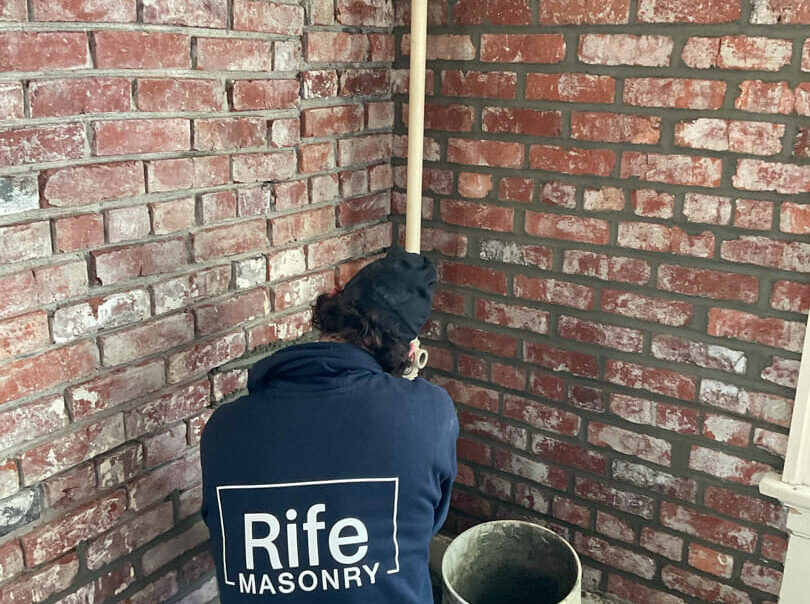
Weather damage is a predictable and preventable issue when managed with foresight. If you have noticed any of the warning signs discussed here on your property, or if you want a professional assessment of your brickwork’s condition, our team of specialists is here to help. We can identify the root cause of the deterioration and recommend the proper, historically sensitive solutions to preserve your home for decades to come.
Conclusion
Your brick home is a significant investment, and its exterior is its first line of defense against the elements. While built to last, masonry is not invincible. The constant cycle of moisture, freezing, and heat slowly wears it down. By understanding these forces and conducting routine inspections for key warning signs, you can catch damage early. Proactive, professional repairs are the most effective way to stop deterioration in its tracks, reduce long-term costs, and ensure your home remains safe, beautiful, and structurally sound for generations.